

Beijing:
China’s trade volume with the five Central Asian countries crossed US$100 billion in 2025 for the first time, marking a historic milestone in economic cooperation between the two sides. The announcement was confirmed by China’s General Administration of Customs, underscoring the growing resilience and depth of China–Central Asia economic ties amid global economic uncertainty.
According to Chinese officials, the record-breaking trade figure reflects not just higher volumes, but a significant improvement in trade structure. A growing number of high-quality products from Central Asia—including agricultural goods, energy resources, and industrial materials—have successfully entered the Chinese market, indicating more balanced and diversified trade relations.
Trade Growth Despite Global Headwinds
The achievement comes at a time when global economic growth remains sluggish, and the international trading system faces increasing challenges due to geopolitical tensions, protectionism, and supply chain disruptions. Despite these pressures, China–Central Asia trade has demonstrated strong resilience.
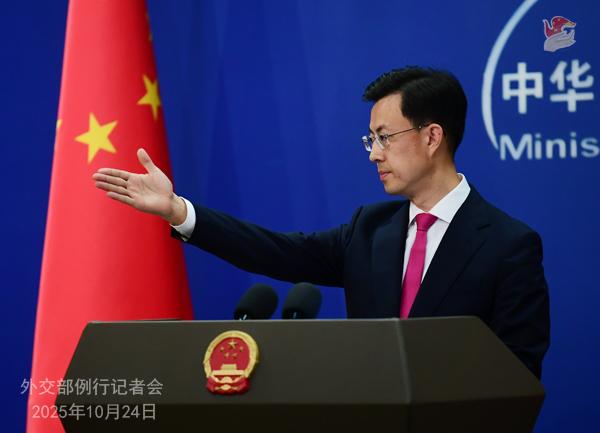
Chinese Foreign Ministry spokesperson Guo Jiakun said the US$100 billion milestone highlights the ability of China–Central Asia cooperation to withstand external shocks and continue expanding steadily.
“This demonstrates the robust momentum of China–Central Asia cooperation and the leading role of the China–Central Asia mechanism,” Guo noted, describing the trade milestone as a new landmark in bilateral and regional cooperation.
Strengthening the China–Central Asia Mechanism
Over the past year, relations between China and Central Asian nations—Kazakhstan, Uzbekistan, Turkmenistan, Kyrgyzstan, and Tajikistan—have seen rapid development. Institutional cooperation under the China–Central Asia mechanism has been further strengthened, providing a stable framework for long-term engagement.
The mechanism has helped enhance policy coordination, infrastructure connectivity, trade facilitation, and people-to-people exchanges, reinforcing Central Asia’s role as a key partner in China’s regional diplomacy.
Belt and Road Cooperation Gains Momentum
China also highlighted steady progress in Belt and Road Initiative cooperation with Central Asian countries. Infrastructure projects, logistics corridors, energy cooperation, and industrial investments have continued to advance, improving regional connectivity and economic integration.
Friendly exchanges in culture, education, and tourism have further strengthened mutual understanding and public support for closer ties.
Second China–Central Asia Summit Ushers in New Phase
A major highlight of the past year was the successful convening of the Second China–Central Asia Summit, which Chinese officials described as a turning point that ushered in a new phase of high-quality cooperation.
The summit elevated cooperation from project-based engagement to a more strategic, long-term partnership focused on innovation, sustainability, and shared development goals.
Looking Ahead: Building a Shared Future
At what China described as a new historic starting point, Beijing reaffirmed its commitment to deepening ties with Central Asian countries. China expressed readiness to carry forward the China–Central Asia spirit, strengthen institutional mechanisms, promote innovation-led and high-quality cooperation, and focus on results-oriented collaboration across trade, energy, infrastructure, and technology.
China and Central Asian nations aim to jointly build a closer China–Central Asia community with a shared future, positioning the region as a pillar of stability, growth, and connectivity across Eurasia.
Disclaimer
This article is based on official statements and data released by Chinese authorities and public sources. It is intended for informational purposes only and does not constitute financial, investment, or policy advice.