

A recent incident involving an Indian woman from Arunachal Pradesh has drawn diplomatic attention after she claimed she was held for nearly 18 hours in Shanghai while transiting from London to Japan. According to reports, she alleged that the detention occurred simply because she was travelling on an Indian passport. The matter escalated to the point where Indian consular officials had to intervene to secure her release. New Delhi has reportedly lodged a formal protest regarding the treatment of the passenger.
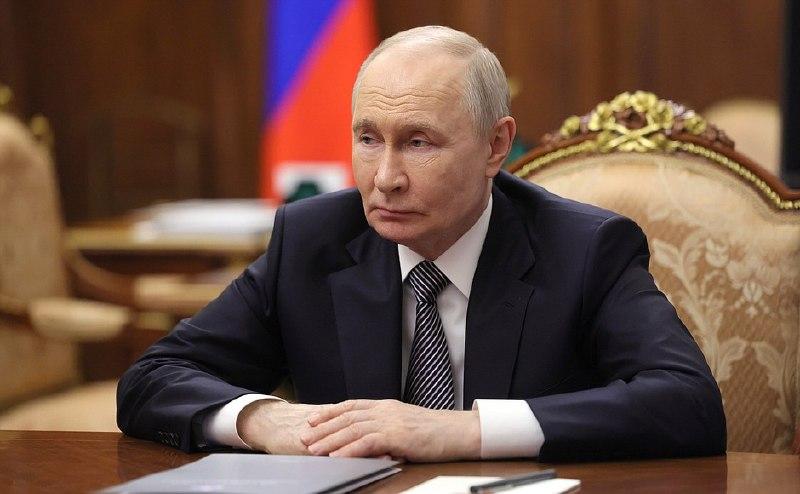
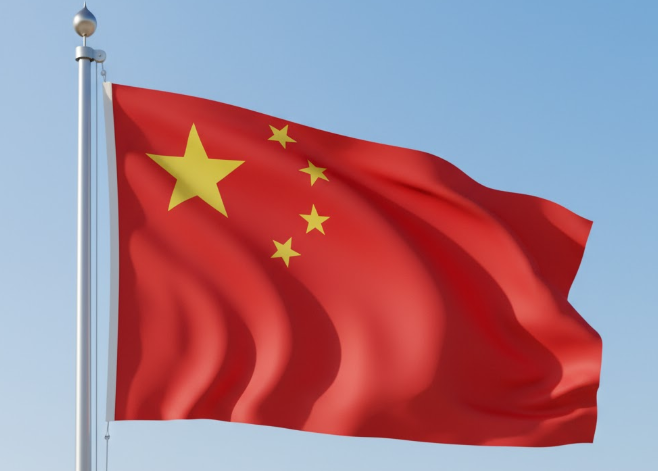
Responding to questions on the issue, Chinese Foreign Ministry spokesperson Mao Ning reiterated China’s long-standing position on Arunachal Pradesh, referring to the region as “Zangnan” and asserting it as part of China’s territory. Mao said the Chinese government has never recognized what she described as the “so-called Arunachal Pradesh” that India has “illegally set up”.
On the specific case of the Indian woman, Mao Ning stated that based on information obtained by authorities, China’s border inspection officials followed standard legal procedures throughout the process. She emphasized that the law enforcement actions taken were impartial and non-abusive, and that the individual's lawful rights and interests were fully protected at all times. Mao clarified that no compulsory measures were taken and rejected the characterization that she had been “detained” or “harassed”.
According to the Chinese side, the airline provided the passenger with accommodation and meals during the period in question. Mao added that for further detailed information, inquiries should be directed to the relevant competent authorities.
The incident comes at a time of ongoing diplomatic sensitivities between India and China, especially concerning territorial claims and border issues. The response from Beijing underscores its firm stance on Arunachal Pradesh, while India’s official protest reflects its concern regarding the treatment of Indian nationals abroad.
Disclaimer:
This article is based on statements from official sources, media reports, and public briefings. The information presented reflects the positions and comments of the respective governments involved. The blog does not take any political stance and aims to provide accurate and unbiased reporting for informational purposes only.