

Beijing, China: Responding to recent comments made by some Japanese political figures regarding Taiwan, China has issued a strong and detailed statement reaffirming its long-standing position on the Taiwan question and warning Japan against shifting its official commitments.
The comments came after a Japanese politician accused China of “overreacting” to remarks made by Japanese Prime Minister Sanae Takaichi, with Japan’s Chief Cabinet Secretary Minoru Kihara stating that Japan’s position remained consistent with the 1972 Sino-Japanese Joint Statement.
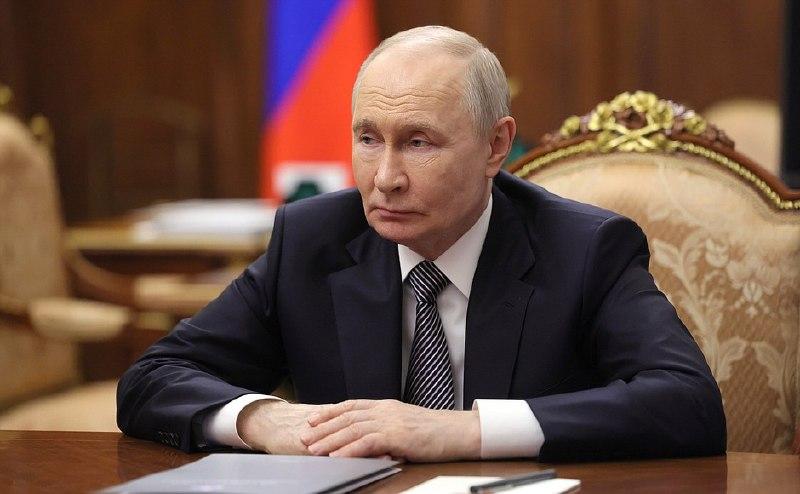
In a press briefing, Chinese Foreign Ministry Spokesperson Mao Ning emphasized that China had already presented its serious and firm stance multiple times, reiterating that Prime Minister Takaichi’s remarks were wrongful, in violation of established bilateral agreements, and damaging to the political foundation of China-Japan relations.
🔹 China Cites Historical Commitments and Legal Foundations
Mao Ning highlighted that during the historic process of restoring diplomatic relations, China had clearly outlined three fundamental principles:
The Government of the People’s Republic of China is the only legitimate government representing the entire Chinese people.
Taiwan is an inalienable part of China’s territory.
The so-called “Taiwan-Japan Treaty” was illegal, invalid, and must be abolished.
These principles were recognized in the 1972 Sino-Japanese Joint Statement, forming the core political basis for normalization.
🔹 Key Provisions from the 1972 Sino-Japanese Joint Statement
China stressed that the document contains three explicit references to the Taiwan issue:
Japan committed to normalizing ties based on fully understanding China’s three principles.
Japan acknowledged the Government of the People’s Republic of China as the sole legal government of China.
Japan understood and respected China's position that Taiwan is an inalienable part of China, reaffirming commitment under Article 8 of the Potsdam Proclamation.
🔹 Treaty and Agreements: Legal and Diplomatic Obligations
China noted that Japan further solidified these commitments through three additional political documents, which collectively carry legal authority under international law:
| Document | Year | Key Commitment |
|---|---|---|
| Treaty of Peace and Friendship | 1978 | Principles of 1972 Joint Statement must be strictly observed |
| Joint Declaration on Partnership | 1998 | Japan will maintain its original stance and deal with Taiwan only in private and regional capacity |
| Joint Statement on Strategic Relationship | 2008 | Japan reiterates continued adherence to its Taiwan policy |
Beijing clarified that these agreements prohibit Japan from developing official relations with Taiwan.
🔹 Clear Warning to Japan: No Room for Ambiguity
Calling the commitments solemn, binding, and internationally recognized, Mao Ning stated that "there is no room for ambiguity or misinterpretation."
China asserted that any Japanese government, political party, or leader — current or future — must adhere to these commitments unconditionally.
🔹 China’s Final Message: Stop “Playing with Fire”
China urged Japan to:
Face history responsibly
Handle China-Japan relations with caution
Correct wrongful statements immediately
Stop provoking on Taiwan-related matters
Respect legal and diplomatic commitments
Mao Ning concluded with a stern warning that Japan must retract its misleading remarks and stop “crossing the line and playing with fire.”
Conclusion
The latest exchange underscores escalating diplomatic sensitivities in Asia involving China, Japan, and the Taiwan question, with Beijing signaling zero tolerance for any perceived deviation from historical agreements. As regional security and geopolitical equations evolve, Tokyo-Beijing relations remain under close global watch.