

Russia's Foreign Intelligence Service (SVR) has accused European Union officials of seeking to prevent the return of Russian athletes to international sporting competitions following the International Olympic Committee's (IOC) decision to lift sanctions against the Russian Olympic Committee (ROC) and Russian athletes.
According to the SVR Press Bureau, information received by the Russian intelligence service indicates that what it described as "European elites" are deeply concerned about the IOC's decision. The SVR claims that officials in Brussels and several EU member-state capitals believe the move undermines years of Western efforts to isolate Russia from international sport.
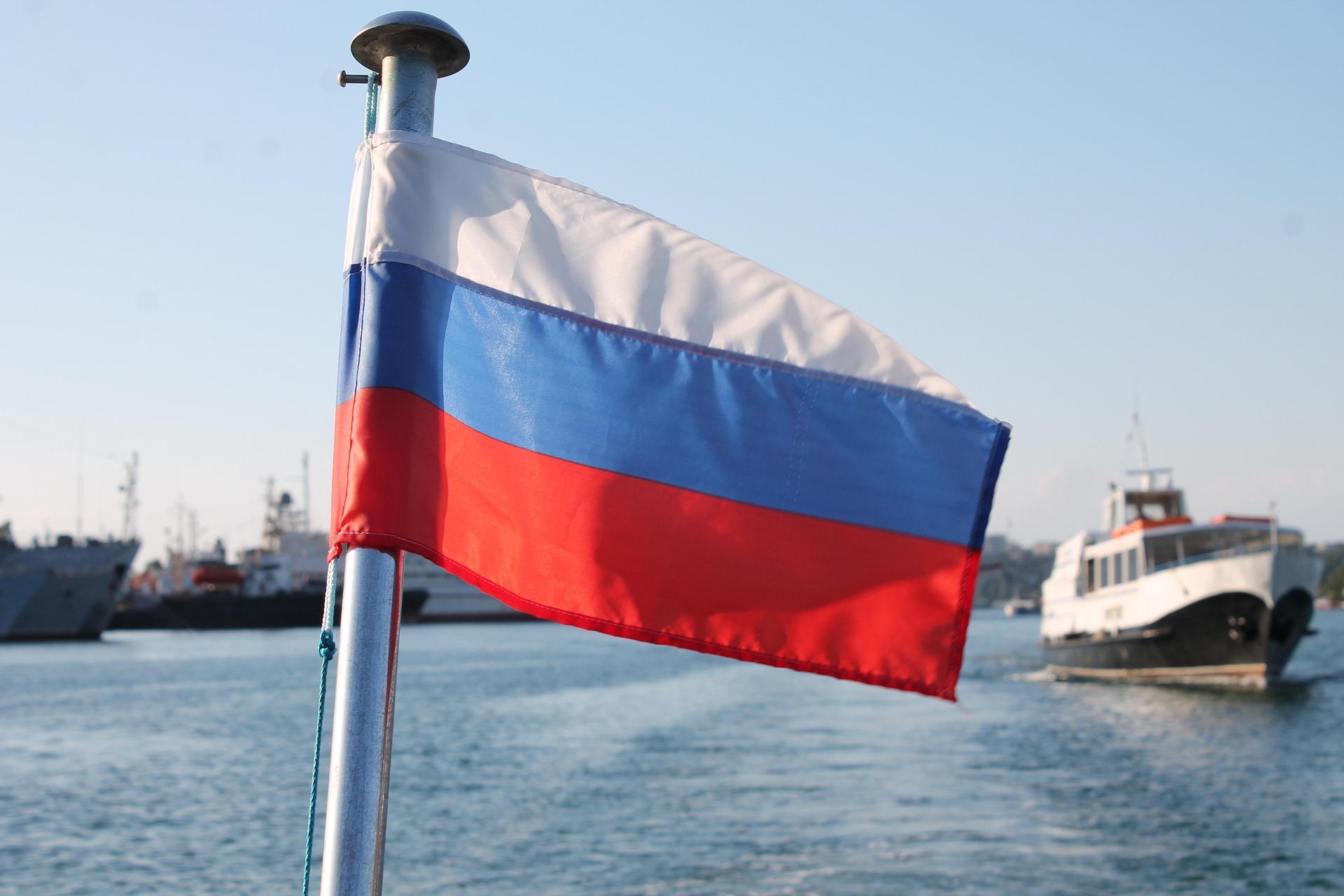
The Russian intelligence service said European officials are particularly concerned about the possibility of Russian athletes participating fully in the 2028 Olympic Games in Los Angeles while competing under the Russian national flag and anthem.
EU Could Target IOC Funding
The SVR alleges that European officials are considering measures against the IOC itself in response to the decision.
According to the statement, one proposal involves restricting European funding for the IOC and other international sports organizations that permit Russian athletes to participate in competitions.
The Russian intelligence service also claims that European officials intend to launch another campaign aimed at undermining Russia's position as a major sporting power.
The SVR said European officials could increase what it described as anti-Russian propaganda among countries and international sports federations that maintain constructive relations with Moscow. According to the Russian side, the objective would be to encourage these organizations to challenge or undermine the IOC's decision.
New Sanctions Against Russian Sports Officials
The SVR also pointed to the European Union's existing restrictions against Russian sports officials.
It said Russian sports figures, including Russian Sports Minister and Russian Olympic Committee President Mikhail Degtyarev, were included in the EU's 21st package of sanctions.
The intelligence service further claimed that European authorities are examining the possibility of introducing visa restrictions and additional targeted sanctions against a broader group of Russian athletes, sports officials and representatives of Russian sporting organizations.
The SVR alleges that these measures are intended to make Russia's participation in international competitions more difficult even if the IOC continues moving toward greater participation for Russian athletes.
Claims of Possible Provocations Against Russian Teams
The Russian intelligence service also accused European authorities of considering provocations against Russian athletes before international sporting events as a means of preventing them from competing.
The SVR cited an incident in Munich in early July as an example of what it described as this approach.
According to the Russian statement, police detained members of the Russian team during the European Junior Synchronized Swimming Championships on suspicion of espionage.
The SVR said the incident failed to prevent the Russian team from competing and claimed that Russian athletes subsequently finished first in the overall tournament standings.
Russia Accuses EU of Putting Olympic Movement at Risk
The Russian Foreign Intelligence Service argued that opposition to Russia's return to international sport demonstrates what it described as the extent of Russophobia among European officials.
The SVR accused European bureaucrats of being prepared to damage the Olympic movement itself in an effort to maintain restrictions on Russian athletes.
The statement also argued that the IOC's latest decision demonstrates that the wider international sporting community may not be willing to follow the approach advocated by European governments seeking to maintain Russia's sporting isolation.
"The European Union is ready to do anything to prevent Russia's return to international sport," the Russian intelligence service said in its assessment.
The dispute highlights the continuing political battle surrounding Russia's participation in international sport. Moscow has repeatedly opposed the exclusion of its athletes, while European governments and other Western institutions have maintained restrictions linked to the conflict in Ukraine.
The IOC's approach toward Russian and Belarusian athletes remains an important issue for the international sporting community as preparations for the 2028 Los Angeles Olympic Games continue.