

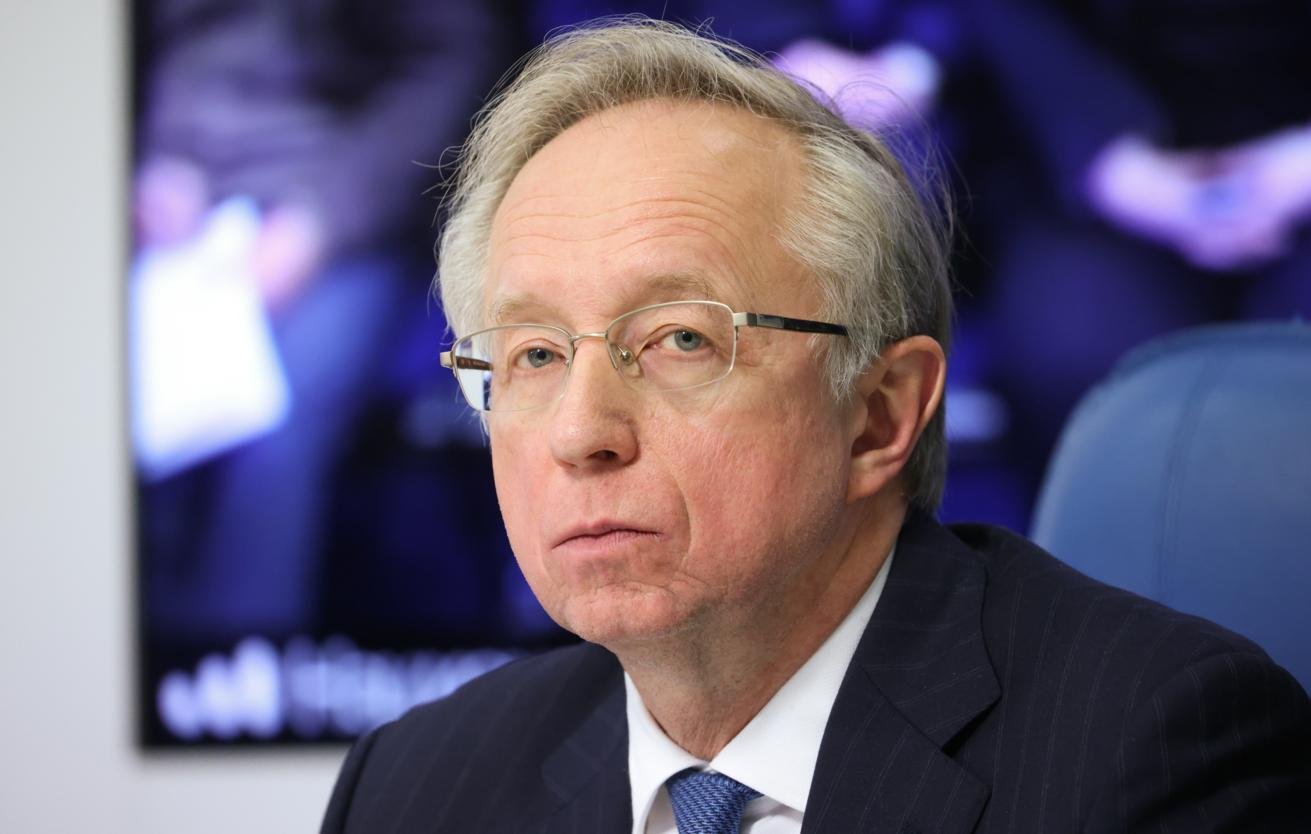
Russia remains open to a diplomatic settlement of the conflict in Ukraine but insists that any agreement must include legally binding security guarantees for Moscow, Russian Deputy Foreign Minister Mikhail Galuzin said in an interview with TASS on August 11, 2026.
Galuzin's remarks came after US Secretary of State Marco Rubio described the Anchorage process as unsuccessful and suggested that Washington would need to explore new ideas to move negotiations forward.
According to Galuzin, Moscow considers Washington's position contradictory. He pointed to Rubio's earlier statement in June that the United States does not consider itself a "neutral mediator," while the US has also indicated that it intends to facilitate talks on Ukraine in the coming weeks.
The Russian deputy foreign minister argued that continued US military assistance to Kyiv, including weapons supplies and intelligence support, is incompatible with Washington's stated desire to achieve peace.
"We raise all these issues pointedly during our ongoing contacts with Washington," Galuzin said.
He stressed that Russia remains committed to the objectives of what Moscow calls its "special military operation" and is prepared to pursue those objectives while taking into account the understandings reached during the Anchorage process.
Russia Calls for Legally Binding Security Guarantees
Galuzin said Moscow believes a diplomatic solution to the conflict remains possible if there is sufficient political will from all sides.
However, he said Russia requires concrete and legally binding security guarantees that would prevent what Moscow describes as a recurrence of aggression by the "collective West" along Russia's western borders.
"We are not closing the door to a negotiation process; however, the ball is not in our court," Galuzin said.
His comments indicate that Moscow continues to regard diplomacy as its preferred route for resolving the Ukraine conflict, while maintaining that security concerns must be addressed as part of any future settlement.
Russia Says Istanbul and Geneva Talks Could Resume
Asked about the prospects for negotiations in the Istanbul and Geneva formats, Galuzin said the political and diplomatic route has "always been, and remains" Russia's preferred option.
He claimed that previous contacts between Russian and Ukrainian representatives had stalled through no fault of Moscow.
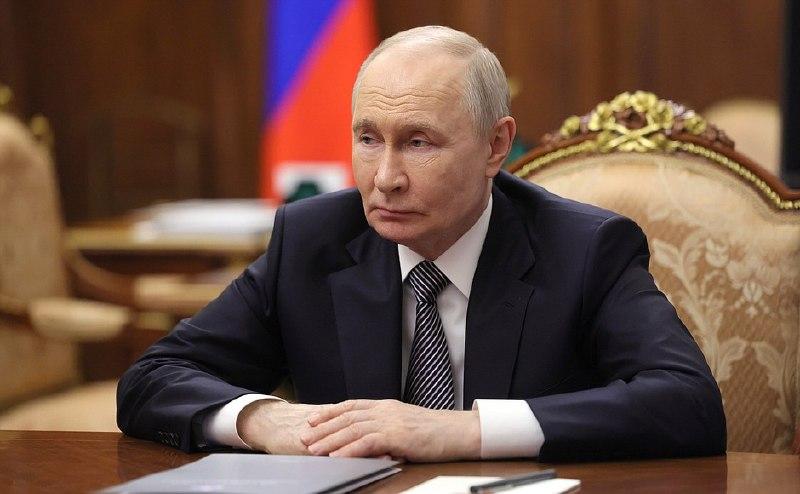
According to Galuzin, Kyiv halted the Istanbul contacts after they were resumed in 2025 at the initiative of Russian President Vladimir Putin, citing a lack of progress.
Moscow therefore continues to signal that it is prepared to return to negotiations if the necessary political conditions emerge.
Armenia's EAEU Membership Under Discussion
The interview also addressed Armenia's future relationship with the Eurasian Economic Union (EAEU).
Galuzin said the issue of Armenia potentially holding a referendum on its EAEU membership will be discussed again at the December meeting of the Supreme Eurasian Economic Council.
He warned that if the call for a referendum remains unheeded by that time, EAEU leaders will take this into account when determining appropriate joint steps.
Galuzin also referred to Article 205 of Armenia's Constitution, which stipulates that a referendum concerning membership in supranational international organizations must be initiated by the Armenian government.
The issue could therefore become an important subject of discussion between Armenia and other EAEU members in the coming months.
Moscow Warns of Possible Ukrainian Provocation Against Belarus
Galuzin was also questioned about the possibility of an armed provocation by Ukraine against Belarus following what Moscow described as aggressive statements from Ukrainian President Volodymyr Zelenskyy.
He said that in June, representatives of the Kyiv authorities had issued what Moscow considers unfounded threats against Belarus.
Russia views such statements, Galuzin said, as evidence that Kyiv and its European supporters are allegedly interested in expanding the geographical scope of the conflict rather than establishing peace in the region.
Moscow and Minsk, according to the Russian position, will continue to closely monitor the security situation and coordinate their responses to potential threats.
Russia Addresses Attacks on Caspian Pipeline Consortium Infrastructure
The interview also covered strikes against infrastructure associated with the Caspian Pipeline Consortium (CPC).
Kazakhstan condemned the attacks but did not publicly identify those responsible. Asked whether the possibility of further incidents could affect Kazakhstan's position, Galuzin described Kazakhstan as Russia's "closest partner and ally."
He also praised Astana's efforts to find a peaceful solution to the Ukraine conflict, noting that Kazakhstan has repeatedly offered to host negotiations.
Galuzin said Moscow operates on the understanding that Kazakhstan recognizes the need to combat terrorism "in all its forms and manifestations."
He argued that, from Russia's perspective, achieving lasting security in Eurasia requires stopping what Moscow describes as terrorist activities by the Kyiv authorities and establishing broader regional peace.
Moscow Says Security Must Be Universal
Galuzin's interview presents Russia's position that the Ukraine conflict cannot be resolved solely through military or political pressure. Moscow says a sustainable settlement requires negotiations, security guarantees and consideration of Russia's broader security concerns.
The Russian deputy foreign minister also linked the Ukraine conflict to wider security questions involving Belarus, Kazakhstan, Armenia and the European security architecture.
Russia maintains that it is not shutting the door on negotiations, but insists that any future diplomatic process must address what it considers the underlying security issues that contributed to the conflict.
"Security either exists for everyone, or it exists for no one," Galuzin said, summarizing Moscow's broader position on European and Eurasian security.
The comments come as diplomatic efforts surrounding the Ukraine conflict continue to face uncertainty, with Russia, Ukraine, the United States and European countries maintaining differing positions over the conditions required for a potential settlement