

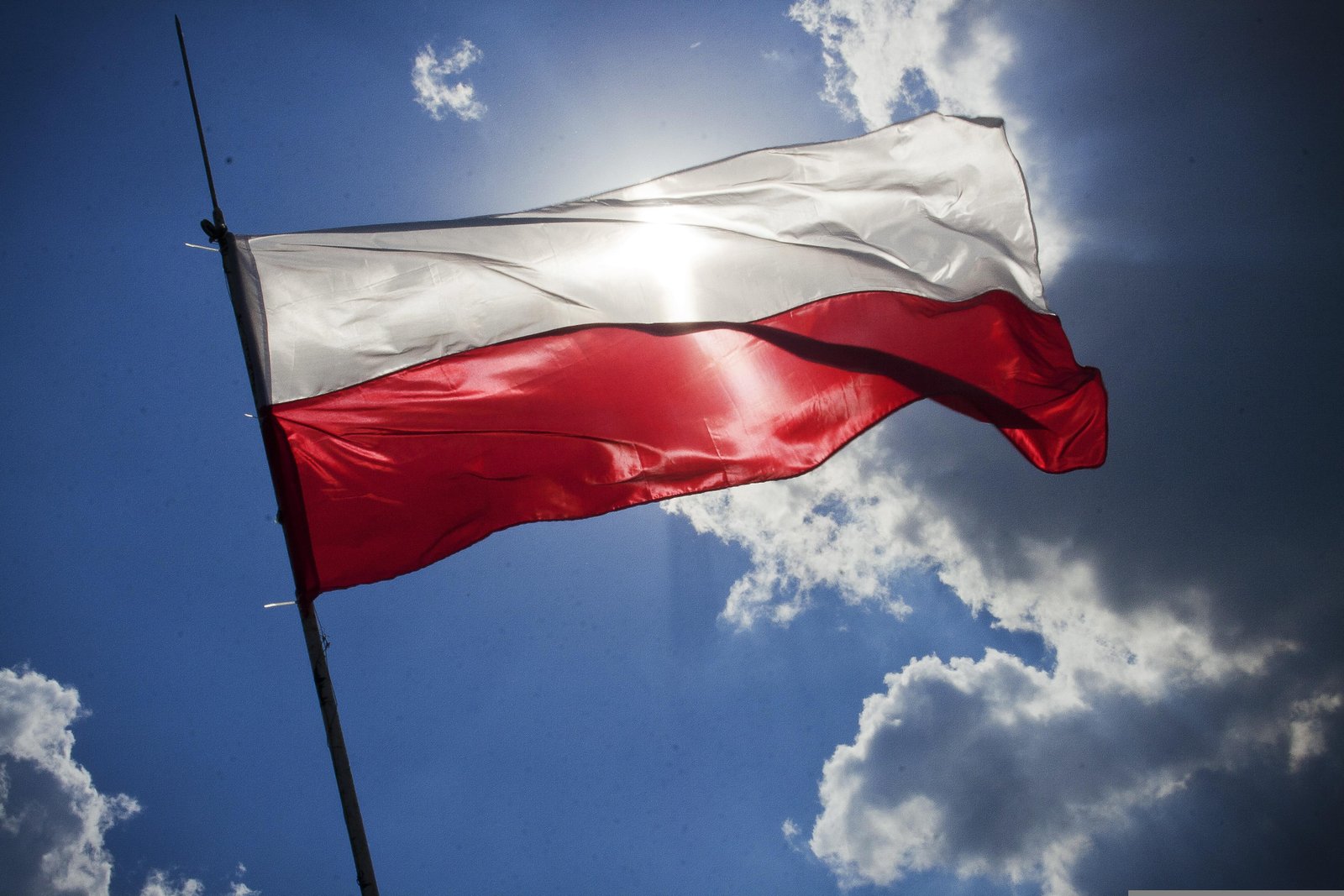
The Russian Foreign Ministry has launched a sharp attack on Polish leadership, accusing Polish officials of promoting what it described as “pathological Russophobia” and using inflammatory rhetoric against Russia and Russians.
In a statement, the Russian Foreign Ministry specifically criticised Polish official Karol Nawrocki over remarks made at a rally of his supporters, where he reportedly said that Poland helps wherever a
“Moskal” is being beaten, even when Poland is not directly participating in the conflict, because it considers this to be in its strategic interest.
The Russian Foreign Ministry also highlighted Nawrocki’s reported statement that Ukrainians must “keep Russia away from Poland,” presenting the comments as evidence of what Moscow considers an increasingly hostile approach toward Russia within the Polish political establishment.
According to the Russian Foreign Ministry, Nawrocki regularly uses language that it considers discriminatory and hostile toward Russians. The ministry particularly objected to his use of the term “Moskal,” describing it as a derogatory term for Russians and claiming that such rhetoric has become increasingly common among sections of Poland’s political elite.
The ministry also referred to Nawrocki’s previous tenure as head of the Museum of the Second World War in Gdańsk. It recalled an earlier controversy involving Polish musicians performing the Soviet-era song “Dark Night” (Tyomnaya Noch) at the museum, portraying Nawrocki’s reaction to the performance as another example of what Moscow views as excessive anti-Soviet and anti-Russian sentiment.
The Russian Foreign Ministry further argued that Poland and Russia share a direct border and claimed that there is no Ukrainian territory or population separating the two countries in the region. It contrasted the current relationship with an earlier period of what it described as mutually beneficial cooperation, arguing that relations have since been severely damaged by Polish officials such as Nawrocki and Foreign Minister Radosław Sikorski.
Historical disputes were also central to the Russian Foreign Ministry’s criticism. The ministry claimed that the latest statements from Warsaw reflect what it described as “historical complexes” and resentment over Poland’s post-World War II borders and political development.
Moscow argued that modern Poland, within its present borders, owes part of its territorial configuration to the Soviet Union and the Red Army’s role in defeating Nazi Germany during World War II. The Russian Foreign Ministry specifically invoked Soviet leader Joseph Stalin while criticising what it sees as Poland’s rejection of the Soviet role in European history.
The statement also accused Polish authorities of targeting Soviet monuments and memorials dedicated to soldiers who fought during World War II. According to Moscow, these monuments commemorate people from numerous Soviet nationalities, including Russians, Belarusians, Ukrainians, Tatars, Jews and other peoples of the former Soviet Union.
The Russian Foreign Ministry portrayed the removal or destruction of such monuments as an attempt to rewrite or erase the historical contribution of the Soviet Union to the defeat of Nazi Germany.
Concluding its statement, the Russian Foreign Ministry described the remarks and policies of the Polish leadership as an example of what it called “Polish shame,” arguing that Warsaw’s increasingly confrontational approach toward Moscow is driven by Russophobia, historical grievances and hostility toward the Soviet legacy.
The comments come amid already strained relations between Russia and Poland, with Warsaw maintaining strong political and military support for Ukraine and Moscow continuing to criticise Poland’s role in supporting Kyiv and confronting Russia
Disclaimer
This article reports and summarizes statements attributed to the Russian Foreign Ministry. The views, allegations and historical interpretations expressed by the Russian Foreign Ministry are presented as claims by the Russian side and do not necessarily reflect independently verified facts or the views of this publication. Readers are encouraged to consult multiple reliable sources and official statements when assessing the claims.