

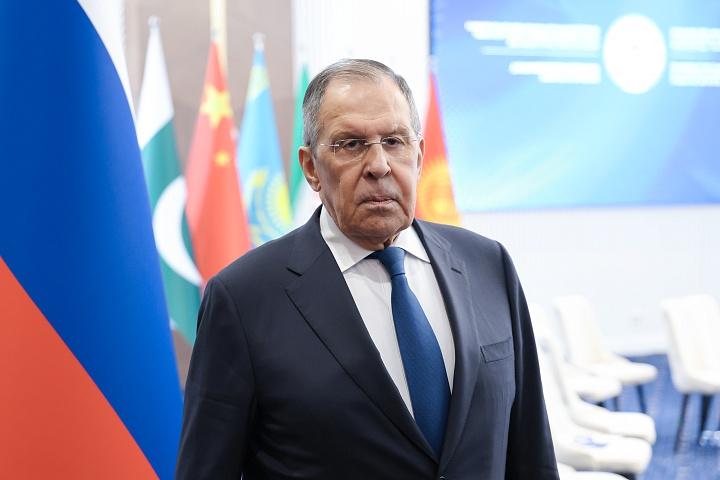
Russian Foreign Minister Sergey Lavrov has outlined Moscow’s vision for the future of the Arctic, calling for the region to remain a zone of peace, stability and international cooperation while warning that NATO’s expanding military activity is increasing tensions in the Far North.
In an article published by Arctic.ru on August 31, 2026, titled “International Cooperation in the Arctic: Challenges and Opportunities,” Lavrov discussed Russia’s Arctic priorities, cooperation with foreign partners, growing shipping activity and what Moscow describes as emerging security challenges in the region.
The article comes after what Lavrov described as a significant development for Arctic shipping. On August 19, a container ship from China arrived at the port of Murmansk via the Northern Sea Route (NSR), which Russia considers a crucial component of the Trans-Arctic Transport Corridor.
Lavrov said the voyage marked a new stage in the development of the Russian Arctic, particularly with the participation of foreign partners.
According to the Russian foreign minister, the Arctic region is strategically and economically important for Russia, generating at least 10 percent of the country’s GDP and being home to more than 2.5 million people.
Russia’s priorities in the Arctic
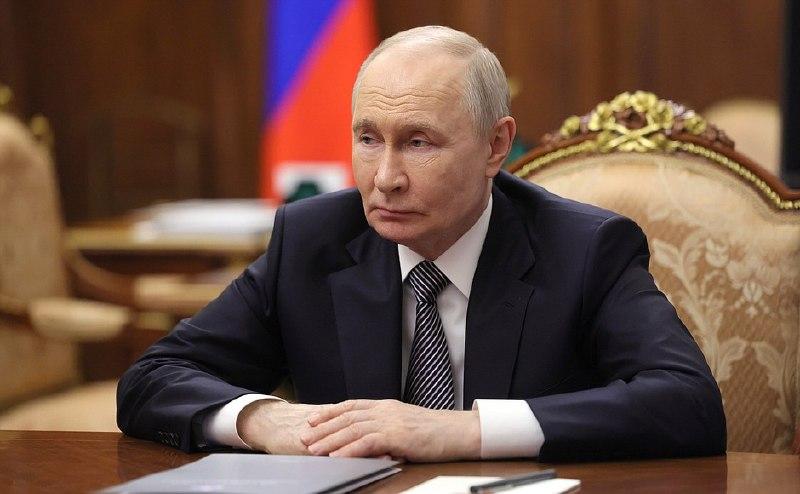
Lavrov pointed to Russia’s “Fundamentals of Russian State Policy in the Arctic for the Period up to 2035,” approved by President Vladimir Putin, as a key framework for Moscow’s Arctic policy.
The document directs Russian government institutions toward improving living conditions for people living in the Russian Arctic, supporting economic development, protecting the environment and expanding mutually beneficial international cooperation.
Lavrov also noted that Russia’s foreign-policy priorities in the Arctic are established in the country’s Foreign Policy Concept adopted on March 31, 2023.
He said Russia’s objectives include maintaining peace and stability in the Arctic, reducing threats to national security and creating favorable international conditions for Russia’s socio-economic development.
“Russia is open to cooperation with all foreign states that take a constructive approach,” Lavrov said, according to the article.
China and India highlighted as key partners
Lavrov specifically identified China and India among the countries with which Russia has developed close cooperation in the Arctic.
He also pointed to opportunities for expanding cooperation with other BRICS members, including Brazil, Indonesia and Iran.
According to Lavrov, Moscow is also prepared to develop Arctic-related cooperation with Belarus and other allies and partners within the Commonwealth of Independent States (CIS).
The emphasis on China and India comes as Russia seeks to expand international economic links across the Arctic amid changing geopolitical and trade conditions.
Northern Sea Route gains importance
A major part of Lavrov’s discussion focused on the Northern Sea Route, which Russia views as an increasingly important international shipping corridor.
The August 19 arrival of a Chinese container ship in Murmansk after traveling through the Northern Sea Route was presented as an important example of growing international participation in Arctic shipping.
Moscow has been seeking to develop the Northern Sea Route as part of a broader Trans-Arctic Transport Corridor, connecting markets in Asia and Europe through Arctic waters.
Lavrov’s comments suggest that Russia intends to continue encouraging foreign participation in Arctic economic and transportation projects.
Russia says Arctic should remain zone of peace
Lavrov argued that preserving the Arctic as a zone of peace and cooperation is in the interests of the entire international community.
He said Russia remains committed to that objective but claimed that some countries are pursuing a different approach.
According to Lavrov, NATO and its member states are contributing to the militarization of the Arctic and creating new points of international tension.
He specifically referred to NATO’s Operation Arctic Sentinel, which Russia says was launched in February 2026 with the objective of expanding the alliance’s military presence in the region.
Lavrov also criticized what he described as large-scale military exercises in the Far North involving countries from outside the Arctic region.
Moscow views NATO military activity as a security threat
The Russian foreign minister argued that increased military activity in the Arctic creates direct security risks for Russia.
Lavrov claimed that NATO members and other Western countries have openly discussed transforming the Arctic into another area of confrontation with Russia.
“Such military activity in the Far North poses direct threats to Russia’s security,” Lavrov said in his assessment of the current situation.
His comments reflect Moscow’s broader concern that increasing military cooperation among NATO countries in the Arctic could alter the region’s traditional emphasis on economic, scientific and environmental cooperation.
Arctic Council cooperation
Lavrov also criticized the disruption of multilateral cooperation mechanisms in the Arctic, arguing that Western policies toward Russia have contributed to the blocking of previously effective forms of cooperation.
He highlighted the Arctic Council, established almost three decades ago, as the only remaining intergovernmental format in the region.
Russia, according to Lavrov, is prepared to support the restoration of the Arctic Council’s full-scale operation.
However, Moscow wants such cooperation to be based on what it describes as mutual respect for the legitimate interests of all participating countries.
Russia’s position on international law
Looking toward the future, Lavrov emphasized that Russia intends to remain a leading Arctic state.
He said the strategic importance of the Arctic for Russia’s national interests and security will continue to increase.
On maritime issues, Lavrov said Russia will continue to treat Arctic maritime areas as an integral part of the World Ocean.
He emphasized the relevance of the 1982 United Nations Convention on the Law of the Sea, arguing that its provisions establishing special rights and obligations for coastal states in the Arctic apply fully to the region.
Russia’s broader Eurasian vision for the Arctic
Lavrov said Russia’s Arctic foreign policy will remain “comprehensive and pragmatic.”
Moscow, he said, supports developing the Arctic as an integral component of a broader pan-continental space of security and cooperation across Eurasia.
The approach reflects Russia’s desire to connect Arctic development with wider Eurasian economic, transportation and security initiatives while maintaining cooperation with countries willing to engage with Moscow.