

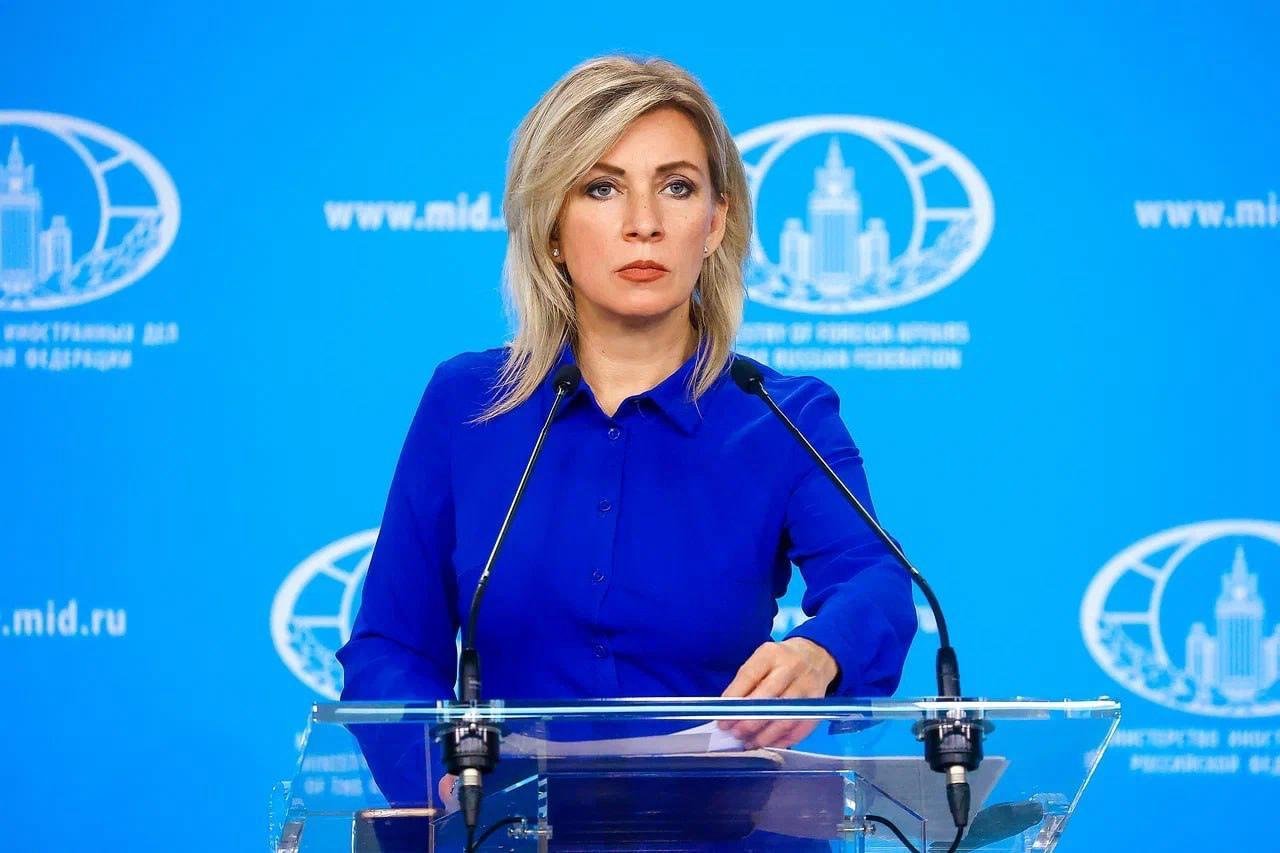
Russia has marked the 30th anniversary of the opening for signature of the Comprehensive Nuclear-Test-Ban Treaty (CTBT), with Foreign Ministry spokesperson Maria Zakharova highlighting what Moscow describes as growing uncertainty surrounding the treaty’s entry into force.
The CTBT was opened for signature on September 24, 1996, with the aim of banning all nuclear test explosions. According to the Comprehensive Nuclear-Test-Ban Treaty Organization (CTBTO), 188 states have signed the treaty and 179 have ratified it. However, the treaty has yet to enter into force because all 44 countries listed in Annex 2 must sign and ratify it.
In a statement marking the anniversary, Zakharova said Russia continues to oppose what it calls unilateral sanctions that lack a basis in international law or a mandate from the UN Security Council. She also criticized the United States over its continued failure to ratify the CTBT.
According to Zakharova, Washington was among the countries that initially supported the treaty but has not taken what Moscow considers effective steps toward ratification.
She also raised concerns over statements and developments in the United States related to nuclear testing. Zakharova referred to an October 2025 directive by U.S. President Donald Trump concerning preparations for nuclear testing and described it as a potential challenge to the existing voluntary moratorium on nuclear tests.
The Russian Foreign Ministry spokesperson further rejected accusations from the United States concerning the nuclear activities of other countries, arguing that such allegations could be linked to Washington's broader approach toward its international commitments.
Russia signed the CTBT on September 24, 1996, the day it opened for signature. It subsequently ratified the treaty in 2000. In November 2023, Russia revoked its ratification, while remaining a signatory to the CTBT. The CTBTO confirms that Russia revoked its ratification on November 8, 2023.
Zakharova said Russia continues to participate in the work of the Preparatory Commission for the CTBTO and maintains its voluntary moratorium on nuclear testing, which was originally introduced by the Soviet Union in 1990.
She also highlighted Russia's contribution to the International Monitoring System, saying that the country's national segment had been completed in December 2023, with 32 facilities certified and operational.
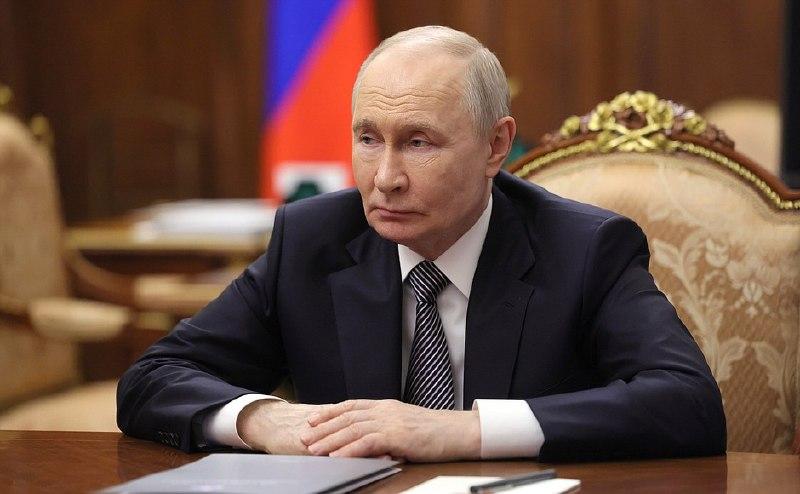
Russian President Vladimir Putin has previously stated that Moscow does not plan to abandon its commitments under the CTBT but would consider responding if the United States or another treaty participant conducts an actual nuclear weapons test.
The CTBT remains a central element of international efforts to prevent nuclear weapons testing. The treaty's verification system is designed to detect nuclear explosions around the world through a network of monitoring facilities.
The 30th anniversary comes as the international community continues to debate the future of nuclear arms control, the treaty's eventual entry into force and the continued adherence of nuclear-armed states to existing testing moratoriums.
Disclaimer: This article reports statements and positions attributed to Russian officials and international organizations. It does not independently verify political claims or allegations made by the parties mentioned.