

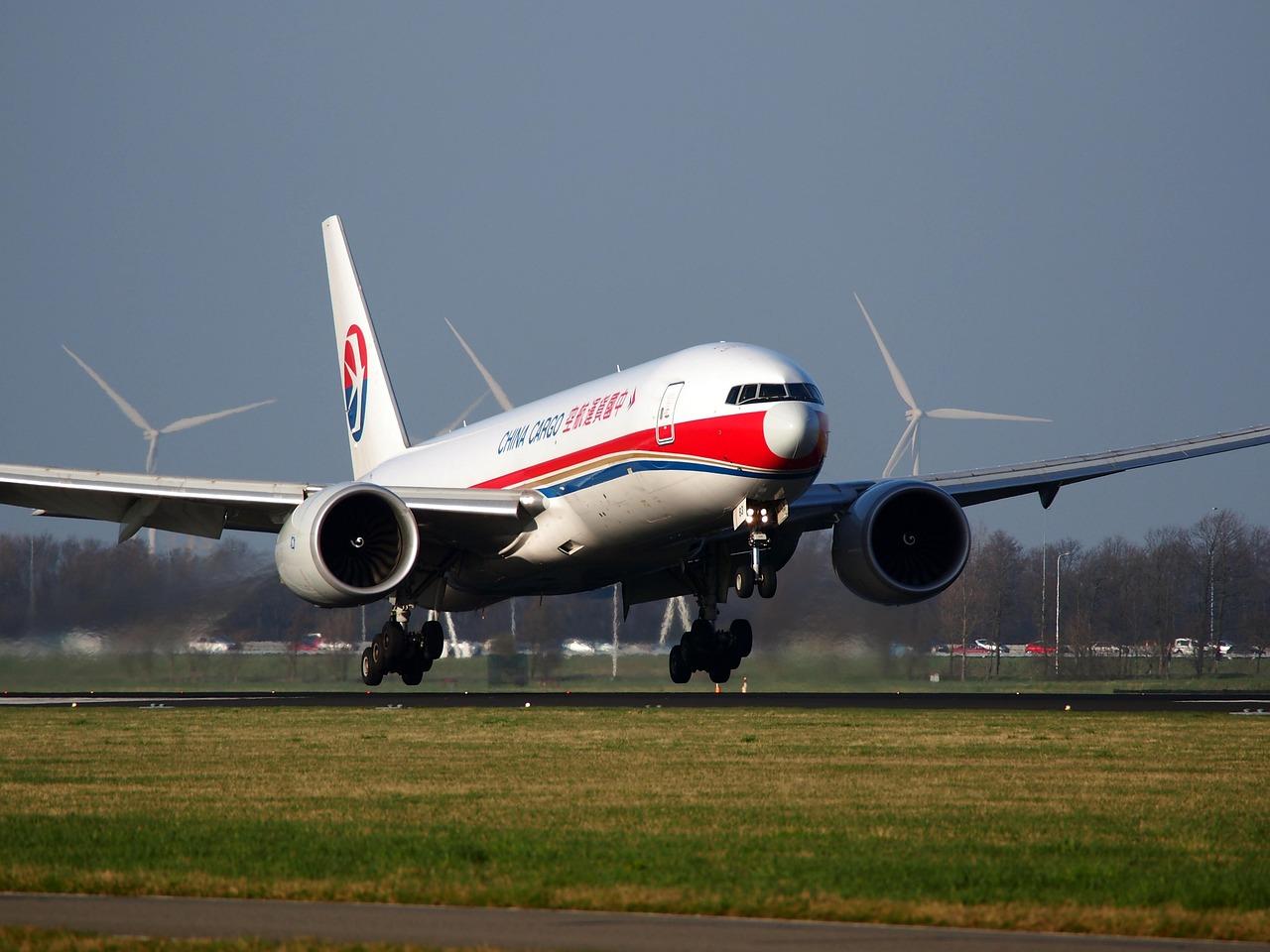
A new controversy is brewing between Washington and Beijing after reports emerged that the Trump administration is considering banning Chinese airlines from flying over Russian airspace on their routes to and from the United States. The move, reportedly aimed at addressing what U.S. officials call an “unfair advantage” for Chinese carriers, has sparked widespread discussion across diplomatic and aviation circles.
According to U.S. officials cited in Western media, the proposed measure comes amid growing concern that Chinese airlines, by flying over Russia, save significant flight time and fuel costs compared to American carriers. U.S. airlines have been barred from Russian airspace since Moscow’s invasion of Ukraine in 2022, forcing them to take longer, more expensive routes to Asia. The Trump administration believes this creates an uneven playing field in transpacific aviation competition.
Adding to the tension, social media rumors have suggested that Washington’s move follows Beijing’s recent decision to impose additional fees on U.S. vessels docking at Chinese ports. While no official link between the two developments has been confirmed, the timing has raised eyebrows among analysts who see it as another escalation in the ongoing U.S.-China trade and geopolitical rivalry.
When asked about the U.S. proposal during a press briefing, Chinese Foreign Ministry spokesperson Guo Jiakun responded by saying: “I’d refer you to competent authorities for the specifics. Barring Chinese airlines from flying over Russia on flights to and from the U.S. would hinder travel and people-to-people exchanges. Rather than punishing other countries and passengers around the world, perhaps it’s time the U.S. took a hard look at its own policy and the impact on American businesses.”
Guo’s remarks suggest Beijing sees the proposed U.S. ban as counterproductive and damaging to global connectivity. Analysts say such a move could disrupt international flight networks, increase travel times, and further strain bilateral relations between the world’s two largest economies.
For now, no official directive has been issued by Washington, and U.S. airline representatives have declined to comment on the potential policy. However, if implemented, this could mark a new phase of aviation decoupling between the U.S. and China, echoing similar restrictions seen in technology, trade, and finance sectors.
Disclaimer: This article is based on publicly available information and statements from official briefings. It includes emerging reports and social media discussions, which have not yet been confirmed by U.S. authorities.