

The Chinese government has expressed strong concern over Japan’s latest defense spending plans after Tokyo approved a record military budget for fiscal year 2026.
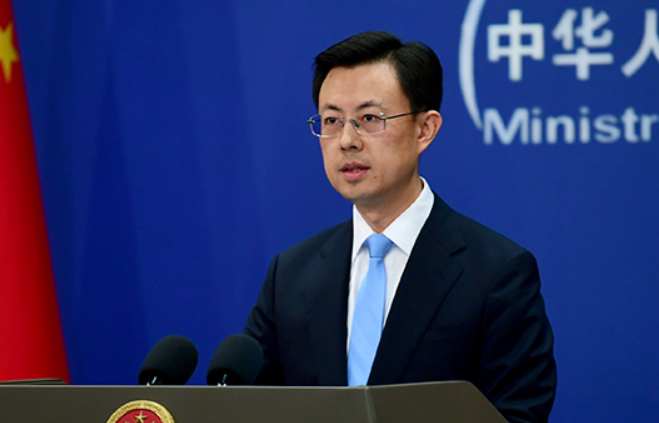
Responding to a question from RT TV, Chinese Foreign Ministry spokesperson Lin Jian said China had noted reports that Japan’s defense budget would exceed nine trillion yen, marking a new historical high. According to Lin, the decision comes despite widespread international criticism of Japan’s recent military and security developments, and reflects what he described as the determination of Japanese right-wing forces to pursue remilitarization and revive militarist tendencies.
The spokesperson stated that given the historical record of Japanese militarism and the war crimes committed during the last century, Japan’s military and security policies have always been closely monitored by its Asian neighbors and the wider international community. He added that since the current Japanese government took office, Tokyo has accelerated its military buildup at a notable pace.
Lin Jian cited a series of developments that, in China’s view, illustrate this trend. These include remarks by Prime Minister Sanae Takaichi on the Taiwan issue that China considers erroneous and threatening, statements by a senior official in the Prime Minister’s Office suggesting that Japan should possess nuclear weapons, and discussions about revising Japan’s three national security documents as well as altering the country’s long-standing three non-nuclear principles. Taken together, Lin said, these actions indicate that Japan is straying further from the path of peaceful development and moving in a dangerous direction.
The Chinese spokesperson also pointed to structural changes in Japan’s security posture in recent years. He noted that Japan has lifted restrictions on exercising the right to collective self-defense, developed what it calls the capability to strike enemy bases, strengthened cooperation on extended deterrence arrangements, and transformed its frontier islands into frontline military positions. According to Lin, these steps go beyond Japan’s traditional exclusively defense-oriented policy.
He further argued that concepts such as self-defense and counterstrike are being used by Japanese right-wing groups to obscure attempts to undermine the postwar international order and bypass constraints set out in Japan’s Constitution. Such narratives, Lin said, are intended to mislead the public and stir opinion, and have already placed the international community on heightened alert.
Lin Jian also highlighted domestic opposition within Japan itself. He said the Japanese people are victims of past militarism and that voices inside the country have warned that higher defense spending does not automatically bring peace or stability. According to him, rallies have taken place across Japan protesting the government’s military expansion plans, while some scholars have cautioned that the growing defense budget will place a heavy burden on the Japanese economy and ultimately be borne by ordinary citizens.
Concluding his remarks, the Chinese spokesperson said that China will work together with peace-loving countries around the world to oppose any moves aimed at resurrecting militarism or fostering neo-militarism. He stressed that China remains committed to jointly safeguarding the outcomes of the victory in World War II and upholding the postwar international order.
Disclaimer
This article is for informational and news reporting purposes only. The views, statements, and opinions quoted in this report are those of the respective officials and sources cited and do not necessarily reflect the views of this website or its editors. The content is based on publicly available statements and media reports and is intended to inform readers about ongoing international developments. It should not be interpreted as analysis, endorsement, or criticism by the publisher.