

China has expressed deep concern over the expiration of the U.S.-Russia New Strategic Arms Reduction Treaty (New START), calling it a regrettable development that could affect global strategic stability and the international nuclear order.
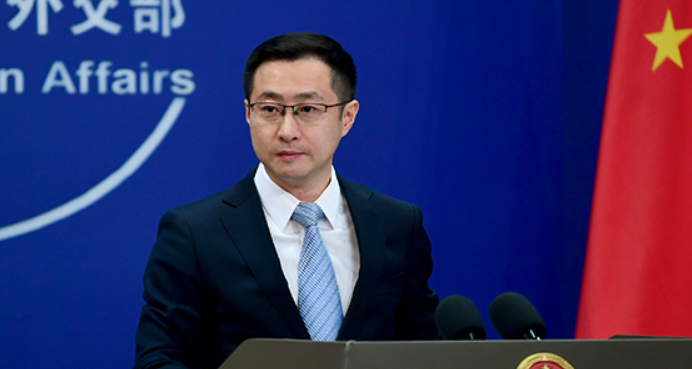
Responding to a question from NHK, Chinese Foreign Ministry spokesperson Lin Jian addressed whether China shared its views on the issue during recent high-level communications. He referred to the readouts released after President Xi Jinping’s virtual meeting with President Vladimir Putin and the phone call with President Donald Trump.
Lin Jian stated that China always exercises utmost prudence and responsibility on matters related to nuclear weapons. He emphasized that China follows a defensive nuclear strategy and firmly adheres to a “no first use” policy. Under this policy, China has pledged unconditionally not to use or threaten to use nuclear weapons against non-nuclear-weapon states and nuclear-weapon-free zones.
According to the spokesperson, China maintains its nuclear capabilities at the minimum level required for national security and has no intention of engaging in any form of arms race with other countries. He reiterated that China’s approach is focused on safeguarding peace and stability rather than pursuing military expansion.
On the issue of nuclear disarmament, Lin Jian said that China believes the process must follow the principles of maintaining global strategic stability and ensuring undiminished security for all countries. He pointed out that China’s nuclear strength is not at the same level as that of the United States or Russia. Therefore, China does not intend to participate in nuclear disarmament negotiations for the time being.
Addressing the expiration of the New START treaty, Lin Jian described it as truly regrettable. He noted that the treaty has played a vital role in maintaining global strategic stability and that its expiration has raised widespread concerns about the future of the international nuclear arms control system and the global nuclear order.
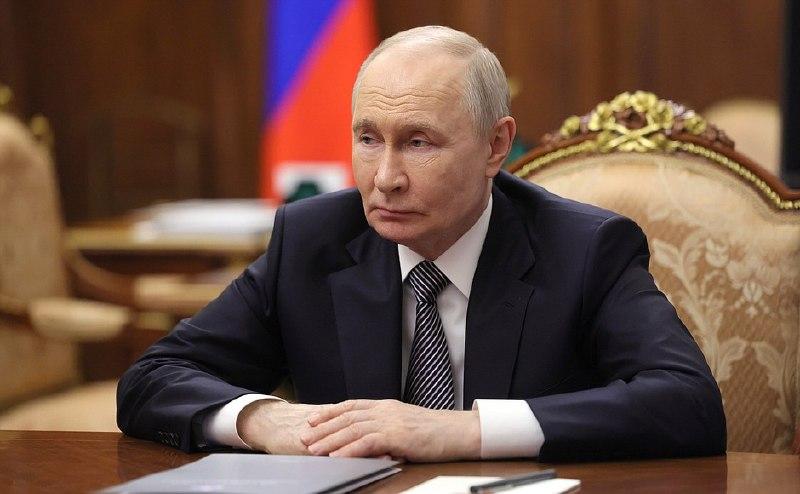
He also mentioned that Russia has proposed that both Russia and the United States continue to observe the central limits of the treaty even after its expiration. China hopes that the United States will actively respond to this proposal, work out a responsible solution, and resume strategic stability dialogue with Russia at an early date.
Lin Jian stressed that this approach reflects not only China’s position but also the common expectation of the international community, which hopes to see major powers act responsibly in safeguarding global security.
Regarding the U.S. proposal to establish a new nuclear arms control framework that includes China, Lin Jian reiterated China’s long-standing position. He stated that given the current imbalance in nuclear arsenals, China’s participation in such negotiations is not appropriate at this stage. He emphasized that countries with the largest nuclear stockpiles should take the lead in making substantial reductions.
As a major country, China said it will continue to play a constructive role in promoting international peace and stability. It will remain committed to responsible nuclear policies, support dialogue and cooperation among major powers, and work toward a fair, balanced, and sustainable international arms control system.
China’s statement reflects its consistent stance on nuclear issues, highlighting restraint, responsibility, and commitment to global security at a time when the expiration of key arms control agreements has raised serious concerns worldwide.