

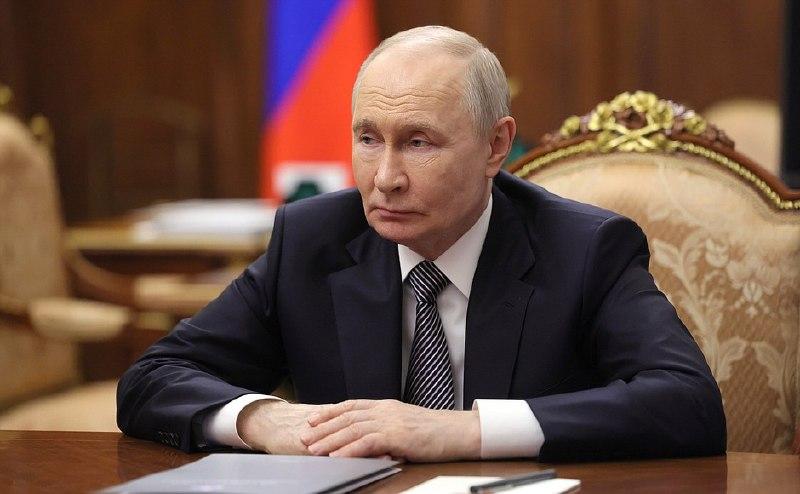
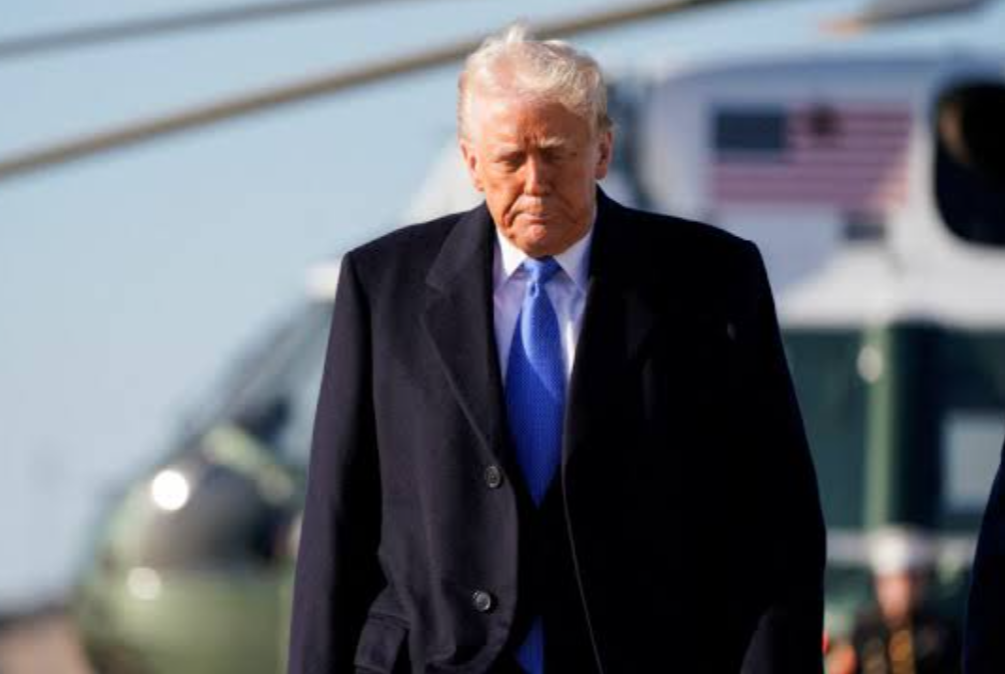
When someone once again asked President of the United States Donald Trump whether the long-discussed Budapest Summit could actually take place, he replied with a characteristic mix of confidence and caution. Trump said that the summit could indeed happen — but only if he received what he described as “guarantees” that it would pave the way for the so-called Ukraine deal. The president’s comment immediately drew global attention, as observers tried to interpret what kind of deal he was referring to and how it might differ from previous proposals.
Throughout his presidency, Trump has been known for his unpredictable and transactional approach to diplomacy, often linking major foreign policy moves to specific, tangible outcomes. In this case, his reference to “guarantees” suggested that he wanted clear assurances from European leaders, Russia, or possibly even Ukraine itself, that any talks in Budapest would not be merely symbolic. According to diplomatic insiders in Washington, Trump’s team has been exploring various frameworks for ending the Ukraine conflict — including those that might involve temporary ceasefires, mutual withdrawal zones, and broader Eurasian security arrangements.
While the details remain unclear, what stands out is Trump’s insistence on a results-based summit. He appears unwilling to commit U.S. involvement to another high-level meeting unless it delivers measurable progress toward peace. This mirrors his approach to other negotiations, such as the North Korea talks or the revised NAFTA agreements, where he emphasized “deals that work” rather than long diplomatic statements.
Some European diplomats have interpreted Trump’s position as an attempt to regain strategic influence in Eastern Europe. By positioning the United States as a decisive broker in the Ukraine crisis, Washington could counterbalance Russia’s narrative while also reducing Europe’s dependence on NATO-led frameworks. Others, however, see it as a sign that Trump is trying to create space for a grand bargain involving both Moscow and Kyiv — possibly one that includes territorial adjustments or new security guarantees under American mediation.
In contrast, critics argue that Trump’s frequent shifts in tone have made it difficult to interpret his real intentions. Just weeks earlier, he had hinted that the U.S. could support a “Europe-led peace mechanism” without direct American participation. Now, his remarks about the Budapest Summit suggest that he might want to personally oversee or approve the next stage of talks — a clear indication of his desire to remain at the center of global negotiations.
Political analysts in Washington note that the phrase “Ukraine deal” has become something of a trademark for Trump — a phrase he uses to signal his preference for a quick, transactional resolution. Unlike traditional U.S. foreign policy, which typically prioritizes long-term commitments, Trump’s strategy is focused on leverage and outcomes. He has repeatedly emphasized that any peace process must not “leave America paying the bills for Europe’s wars.” This rhetoric plays well with his base but leaves diplomats scrambling to decode what kind of agreement could realistically satisfy all sides.
Russian officials, meanwhile, have responded cautiously. The Kremlin has neither confirmed nor denied discussions regarding a potential Budapest Summit, but Foreign Minister Sergey Lavrov recently stated that Moscow “welcomes any format that can lead to the cessation of hostilities, provided that Russia’s legitimate interests are respected.” That statement aligns closely with Trump’s call for “guarantees,” hinting at a possible overlap in negotiating language, even if the underlying objectives differ.
Ultimately, the future of the Budapest Summit remains uncertain. What is clear, however, is that Trump is attempting to redefine the terms of engagement. By conditioning the summit on specific guarantees, he is signaling that American participation will depend on demonstrable progress — not political optics. Whether this approach will bring about a real Ukraine deal or simply add another layer of complexity to the already tangled diplomatic landscape remains to be seen.
For now, the world is watching to see if Washington, Moscow, and European capitals can align their interests enough to make the Budapest Summit more than just another round of empty promises. If Trump gets the guarantees he demands, the meeting could mark a pivotal shift in the post-war European order — one that moves beyond rhetoric toward a tangible framework for peace.
Disclaimer:
This article is based on public statements and international diplomatic developments as of October 2025. The interpretations and analyses presented are for informational and journalistic purposes only and do not constitute official U.S. or international policy positions.