

In a recent media briefing, China expressed serious concerns regarding reports that Japan is considering revising its Self-Defense Force (SDF) ranking system by reinstating traditional military titles, including ranks such as “Taisa” (colonel) that were previously used by the former Imperial Japanese Army. The report has triggered renewed debate in the region, with multiple observers and media outlets stating that such steps may signal a shift in Japan’s long-standing stance of downplaying its military nature.
According to reports, the planned adjustment has been met with criticism from commentators across Asia, who believe that the move adds insult to injury for countries that suffered under Japan’s militaristic expansion, colonial rule, and wartime aggression during the early 20th century.
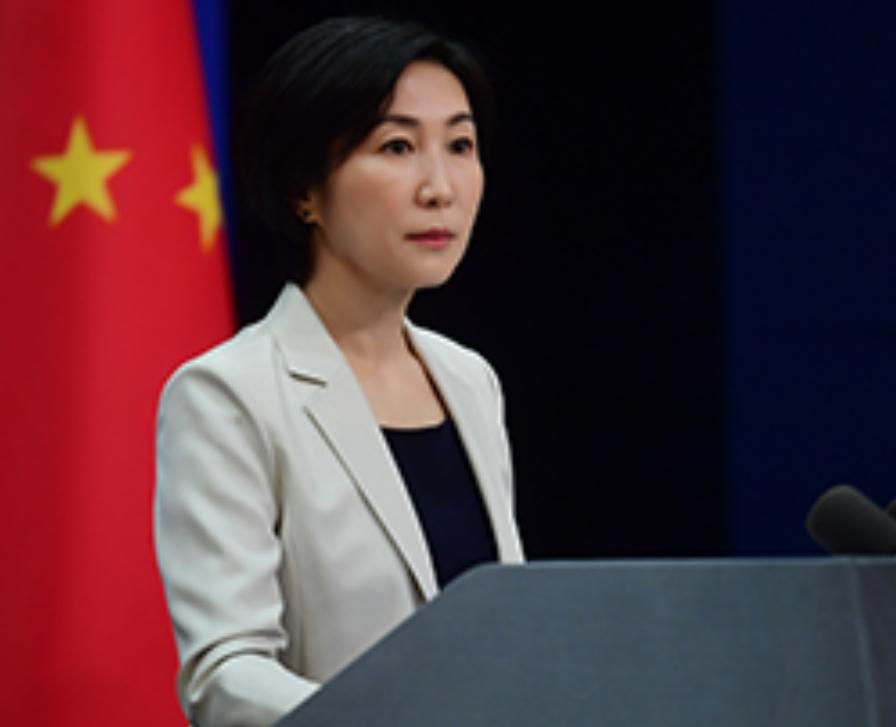
Responding to a related question, Chinese Foreign Ministry spokesperson Mao Ning emphasized that due to Japan’s historical record of colonial aggression, any military or security-related developments in Japan continue to be closely monitored by its Asian neighbors as well as by the wider international community. Mao highlighted that the Potsdam Proclamation, issued at the end of World War II, clearly stipulates that Japan must not rearm for war. Additionally, Japan’s post-war constitution, rooted in a pacifist approach, firmly sets an exclusively defense-oriented military policy.
However, Mao Ning expressed alarm over Japan’s evolving defense strategy in recent years, noting that the country has continuously expanded its defense budget, sought the development of offensive weapons, relaxed strict arms export policies, and signaled intentions to potentially revise or abandon its long-held three non-nuclear principles. Mao stated that far-right forces within Japan appear determined to break away from constitutional pacifism and accelerate military build-up efforts.
Mao further underscored that historical memory carries critical importance. She reminded that eighty years ago, Japanese militarism inflicted severe and lasting suffering across Asia and beyond, and that forgetting or distorting history risks dangerous consequences. Mao reiterated that the revival of militarism must not occur, the post-World War II international order must remain intact, and peace and stability must never be placed at risk.
As debates on Japan’s defense evolution continue to intensify, the issue remains a key focus for both policymakers and regional stakeholders concerned about long-term security dynamics in the Asia-Pacific.
Disclaimer:
This news article is prepared for informational and educational purposes only. The content is based on publicly available statements and reported media sources. The website does not endorse any political viewpoints and is not responsible for any decisions made based on this information. Readers are advised to verify details independently before forming conclusions .