

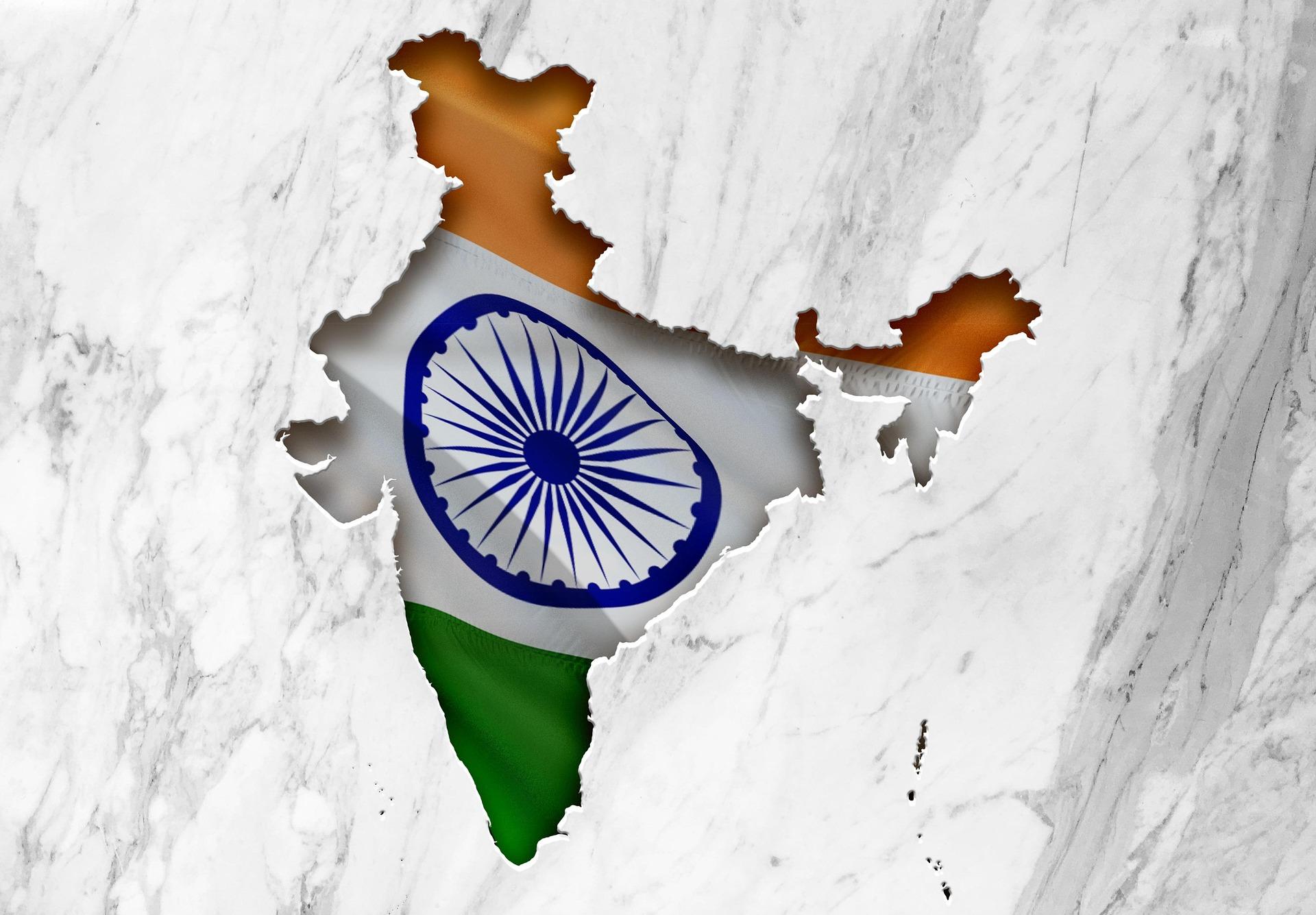
September 22, 2025 – India’s state budgets for the financial year 2024-25 (April 2024 to March 2025) paint a picture of uneven fiscal health across the country. While the aggregate revenue balance at the national level shows a modest surplus, driven by central transfers and rising own-tax collections, the performance of individual states varies significantly.
Revenue surplus occurs when a state’s revenue receipts exceed its revenue expenditure, creating space for capital investments or debt repayment. A revenue deficit, on the other hand, forces states to borrow even to cover day-to-day costs, thereby straining long-term fiscal stability.
Latest figures compiled from state budget documents, revised estimates (RE), PRS Legislative Research, and Reserve Bank of India (RBI) analyses reveal stark contrasts. Northern and eastern states such as Uttar Pradesh and Odisha are leading the way in maintaining surpluses, while southern and western states like Andhra Pradesh, Tamil Nadu, and Punjab are struggling with high deficits.
All states are following the 15th Finance Commission’s fiscal roadmap, targeting fiscal deficits below 3% of GSDP by FY 2025-26. Yet, for 11 states, revenue balances remain a pressing concern.
Top 5 States with Highest Revenue Surplus in FY 2024-25
These states are leveraging strong tax buoyancy and sectoral growth to create surpluses that enable higher spending on infrastructure and development.
Uttar Pradesh
Surplus: Rs 74,147 crore (BE); ~Rs 37,000 crore (mid-year est.)
As % of GSDP: 3.0%
Drivers: Strong GST collections up 19% year-on-year, excise growth, and central grants worth Rs 75,137 crore. Agriculture continues to play a central role, with UP contributing 17% of India’s wheat and rice output. Surplus funds are being directed to major projects like the Ganga Expressway.
Gujarat
Surplus: Rs 9,821 crore (BE); ~Rs 19,865 crore (RE est.)
As % of GSDP: 0.4%
Drivers: Gujarat’s industrial base, with manufacturing forming 25% of GSDP, has boosted revenues. Own-tax collections are up 15%, while its ports handle nearly 40% of India’s cargo. A focus on renewable and clean energy policies has also supported non-tax income.
Odisha
Surplus: Rs 27,437 crore (BE); ~Rs 19,456 crore (RE est.)
As % of GSDP: 3.0%
Drivers: Mining royalties continue to grow strongly, with a 21% CAGR between 2017 and 2024. Odisha’s GSDP growth of 7.2% surpasses the national average of 6.4%. Its capital outlay at 6.1% of GSDP is the highest among major states. The Utkarsh Odisha conclave secured investment commitments of Rs 16.7 lakh crore.
Jharkhand
Surplus: Rs 18,968 crore (BE); ~Rs 13,564 crore (RE est.)
As % of GSDP: 4.0%
Drivers: Strong growth in mineral revenues, particularly iron ore and coal, with own-tax receipts up 25%. While non-tax revenue fell short, the state has capped its fiscal deficit at 2%.
Karnataka
Surplus: ~Rs 13,496 crore (RE est.)
As % of GSDP: ~0.5% (est.)
Drivers: The IT and services sector drives 77% of Karnataka’s own resources. Revenue receipts rose 16% to Rs 2,63,428 crore. Bengaluru attracted FDI worth USD 2.2 billion in Q1 FY25. Efficiency gains from the 7th Pay Commission reforms helped shift the state into surplus.
Combined, these five states account for about Rs 1.4 lakh crore in revenue surpluses, funding around 10% of the country’s total capital expenditure.
Top 5 States with Highest Revenue Deficit in FY 2024-25
For deficit states, rising committed expenditures on welfare schemes, power subsidies, and pensions outpace revenue growth. Central revenue deficit grants provide temporary relief, but these are set to phase out post-2025.
Andhra Pradesh
Deficit: Rs 34,743 crore (BE); ~Rs 43,488 crore (RE est.)
As % of GSDP: 2.1%
Drivers: Legacy issues from bifurcation continue to weigh on finances. Welfare schemes like farmer aid (Rs 20,000 per beneficiary) and irrigation projects (Rs 16,705 crore) drive expenditure. Despite strong GSDP growth of 10%, central grants have declined by 8%. The fiscal deficit stands at 4.2%.
Tamil Nadu
Deficit: Rs 49,279 crore (BE); ~Rs 36,215 crore (RE est.)
As % of GSDP: ~1.5%
Drivers: Subsidies to TANGEDCO amount to Rs 14,442 crore. Committed spending consumes 64% of revenue receipts. While own-tax collections rose 14% to Rs 86,975 crore in H1 FY25, revenue deficit grew by 9.7% year-on-year.
Rajasthan
Deficit: Rs 25,758 crore (BE); ~Rs 31,491 crore (RE est.)
As % of GSDP: 1.4%
Drivers: Populist subsidies and free power schemes push spending higher. Own-tax revenue rose 11%, but non-tax receipts underperformed. The fiscal deficit widened to 3.9%, while the debt-to-GSDP ratio stands at 44.5%.
West Bengal
Deficit: ~Rs 27,295 crore (RE est.); Rs 31,952 crore (BE)
As % of GSDP: ~1.8%
Drivers: Welfare programs like Lakshmir Bhandar and pension payments dominate, with committed expenditure at 58% of receipts. Revenue expenditure rose 13% in H1 FY25, surpassing capital outlays. Fiscal deficit remains high at 3.7%.
Punjab
Deficit: Rs 23,198 crore (BE); ~Rs 26,045 crore (RE est.)
As % of GSDP: 2.9%
Drivers: Punjab’s power subsidies alone cost Rs 18,177 crore in FY 2023-24. Revenue receipts fell short by 10%. By H1 FY25, the state had already incurred a revenue deficit of Rs 18,303 crore, nearly 79% of its annual estimate. Punjab’s debt is projected to hit Rs 4.17 lakh crore by 2026.
Together, these states account for revenue deficits of about Rs 1.8 lakh crore, or roughly 0.5% of aggregate state GSDP.
Broader Fiscal Trends
At an aggregate level, states’ combined revenue surplus is about 0.2% of GDP, a decline from pre-COVID levels, according to RBI’s State Finances Study (December 2024). Fiscal deficits averaged 3.2% of GSDP in the Budget Estimates, with 15 states exceeding the 3% benchmark.
Capital outlay has increased marginally to 2.5% of GDP, supported by central loans worth Rs 1.5 lakh crore nationwide. Revenue growth in surplus states averaged 10-15% annually, with Odisha and Karnataka reporting GST collections up 20%.
For deficit states, committed expenditures consume 20-30% of receipts, limiting fiscal flexibility. The power sector accounts for nearly 35% of aggregate state-level deficits. The phase-out of GST compensation (ended in 2022) has especially hurt southern states.
Debt-to-GSDP ratios remain a challenge for some states, with Punjab at 44.8% and Tamil Nadu at 25.6%. While these are within sustainable levels, the upward trend raises concerns.
Policy Outlook
Looking ahead, the 16th Finance Commission may consider extending revenue deficit grants beyond 2025 for vulnerable states. Meanwhile, surplus states such as Gujarat and Odisha are focusing on green energy and mining-led growth to sustain fiscal strength. With projected GSDP growth in the 9-12% range for FY 2025-26, revenue surpluses could widen, giving more states fiscal room for capital investments.
Expert View
According to PRS Legislative Research, “Revenue deficits limit states’ ability to undertake capital expenditure. Surplus states like Uttar Pradesh, which invests 53% of receipts in committed areas, have 47% of funds available for growth-oriented spending.”
Conclusion
India’s fiscal map shows a clear divergence. Northern and mineral-rich states are building surpluses and funding infrastructure, while southern and western states are weighed down by welfare burdens and subsidies. The coming year will test whether reforms in revenue mobilization and expenditure management can close this growing north-south fiscal divide.
Sources: PRS Legislative Research, RBI State Finances Study, state budget documents (FY 2024-25). Figures reconciled between Budget Estimates and Revised Estimates.