

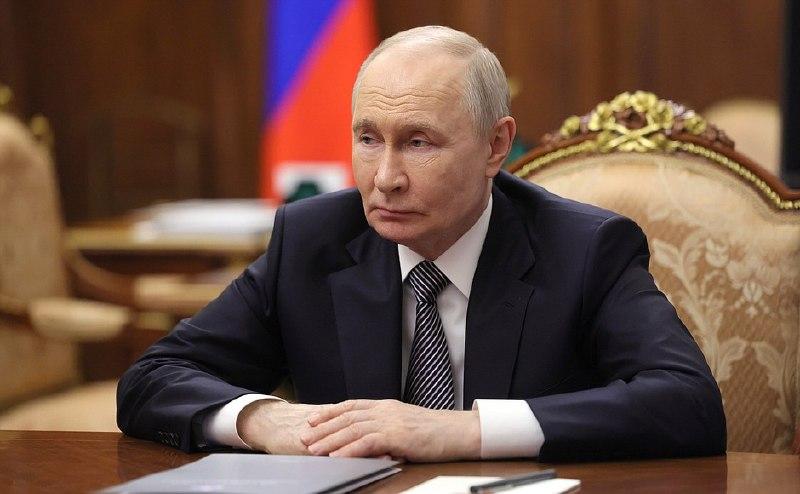
Russia has summoned Japanese Ambassador to Moscow Akira Muto following Tokyo’s protest over Russian President Vladimir Putin’s visit to Iturup Island, one of the Kuril Islands controlled by Russia but claimed by Japan. The move has added another layer of tension to already strained Russia-Japan relations.
Putin visited Iturup on August 13, marking his first visit to the disputed Kuril island chain. During the trip, he visited local facilities and met regional officials. Japan strongly objected to the visit, with Prime Minister Sanae Takaichi describing it as “absolutely unacceptable.” Tokyo subsequently summoned the Russian ambassador and delivered a formal protest.
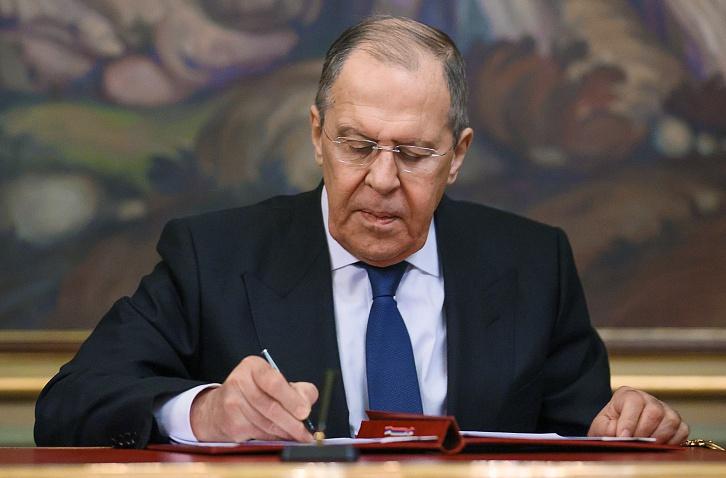
Lavrov: Japan Has “Crossed the Line”
Russian Foreign Minister Sergey Lavrov sharply criticized Japan’s reaction, saying Tokyo had “crossed the line of decency” by suggesting that the Russian president could not visit a part of the Russian Federation.
Lavrov argued that Iturup is Russian territory and said Moscow considers the visit to be entirely legitimate. He also invoked the UN Charter, particularly Article 107, while criticizing Japan’s historical conduct during World War II.
According to Lavrov, Japan became a member of the United Nations after World War II and accepted the UN Charter and its principles. He argued that Tokyo should therefore respect the postwar international framework rather than attempt to reinterpret international law to suit its current political interests.
Lavrov also accused Japan of trying to divert attention from what Moscow sees as an increasingly militarized Japanese foreign and security policy.
Russia Says It Also Summoned Japan’s Ambassador
Lavrov clarified that Russia did not ignore Japan’s protest.
He said the Russian ambassador in Tokyo had been summoned by the Japanese Foreign Ministry and presented with Tokyo’s protest. Moscow then decided to summon Japanese Ambassador Akira Muto after Russian officials learned how Prime Minister Takaichi and Japan’s foreign minister had characterized Putin’s visit.
Lavrov said the Russian Foreign Ministry asked the Japanese ambassador to appear for a meeting on August 14 or August 17. According to his account, the Japanese Embassy provided an unclear explanation for why Muto could not attend on those dates.
Lavrov said Moscow found the situation surprising and emphasized that the ambassador was expected to appear at the Russian Foreign Ministry.
The Japanese ambassador subsequently visited the Russian Foreign Ministry in Moscow on August 18. Reports said he left after a short meeting without making public comments.
Dispute Over the Kuril Islands
The diplomatic confrontation is rooted in the long-running territorial dispute over the southern Kuril Islands. Russia has controlled the islands since the end of World War II, while Japan claims four of them — Iturup, Kunashiri, Shikotan and the Habomai islets — and refers to them as the Northern Territories. The dispute has prevented Russia and Japan from signing a formal postwar peace treaty.
The disagreement has become more complicated since Russia’s 2022 invasion of Ukraine. Japan joined Western sanctions against Moscow, while Russia suspended several areas of cooperation and peace-treaty negotiations with Tokyo.
Putin’s visit therefore carries significant political and strategic symbolism. Iturup is not only important because of the territorial dispute but also because the Kuril chain provides Russia with strategic access to the Pacific and contains valuable fishing and natural resources.
What Happens Next?
Lavrov’s comments suggest Moscow intends to push back strongly against what it considers unacceptable Japanese interference in Russian affairs. At the same time, Tokyo continues to maintain its claim over the four southern Kuril Islands.
The latest diplomatic exchange is unlikely to resolve the territorial dispute, but it highlights how quickly tensions between Moscow and Tokyo can rise. With Japan strengthening its security cooperation with the United States and supporting Ukraine, and Russia maintaining its military presence in the Far East, the Kuril Islands remain an important flashpoint in Northeast Asian geopolitics.
Disclaimer:
This article is based on publicly reported statements and information available at the time of publication. It is intended for news and informational purposes only. Statements attributed to Russian or Japanese officials represent their respective positions and should not necessarily be treated as independently verified facts. The territorial status of the disputed Kuril Islands remains contested by Russia and Japan.