

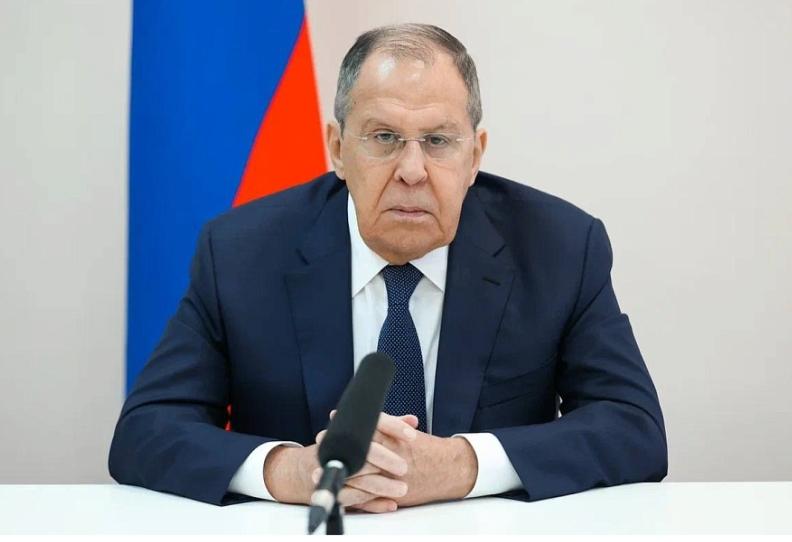
The latest Eurasian conference marked a significant shift in focus compared to the two previous meetings. According to Russian Foreign Minister Sergey Lavrov, the key difference lies in the introduction and discussion of an initiative proposed by Belarus, with support from Russia, to draft a Eurasian Charter of Diversity and Multipolarity in the 21st Century.
Lavrov highlighted that this conference has moved beyond general discussions to consider specific proposals for regional cooperation. The initiative, he explained, represents a concrete step toward achieving practical outcomes rather than merely exchanging ideas.
Belarusian President Alexander Lukashenko, in his address, emphasized that while many valuable ideas have been proposed in past forums, the current focus should be on tangible results. The proposed Charter is expected to serve as the foundation for fostering collaboration across Eurasia based on mutual respect, diversity, and multipolar principles.
Lavrov also addressed questions about the impact of renewed dialogue with the United States on the tone of the conference. He clarified that the discussions remained centered on Eurasian affairs and regional priorities. The participants, he noted, see the value in strengthening intra-Eurasian ties rather than being influenced by external relations.
At the same time, Lavrov welcomed interest from non-Eurasian nations, including the United States, provided that cooperation is fair, transparent, and respectful of the interconnections that define the Eurasian geopolitical landscape. He stressed that the continent’s vastness offers enough opportunities for everyone, and that honest collaboration should aim at developing resources for the benefit of all.
The conference underscored a growing determination among Eurasian nations to pursue a multipolar world order, one that values sovereignty, diversity, and cooperation based on equality rather than dominance.
Disclaimer:This article is based on official statements from Russian Foreign Minister Sergey Lavrov regarding the recent Eurasian conference and aims to provide a factual summary of the discussions and initiatives presented.