

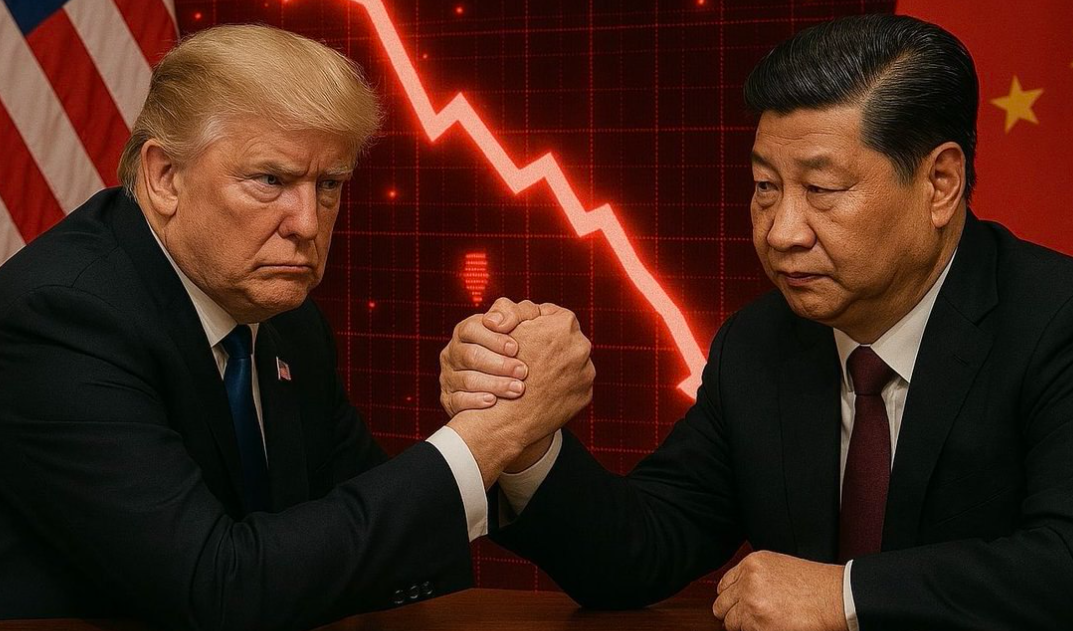
In a major development that could reshape global trade dynamics, President Donald Trump on Saturday announced that the United States and China have reached a new agreement on economic and trade relations — a breakthrough deal aimed at stabilizing bilateral ties after years of tensions, tariffs, and supply chain disruptions.
According to the official statement, the deal involves sweeping commitments from both sides covering critical sectors such as rare earths, agriculture, and fentanyl control, along with significant adjustments to existing tariffs. The agreement, hailed by Trump as a “tremendous victory for American workers and farmers,” marks one of the most comprehensive trade understandings between Washington and Beijing since the early 2020s.
Chinese Commitments Under the Deal
As part of the agreement, China has pledged to take six major steps to ease trade frictions and strengthen economic cooperation with the United States:
Suspension of New Rare Earth Export Controls: China, which dominates the global supply of rare earth elements crucial for electronics and defense technologies, will suspend the implementation of new export restrictions. This move is expected to ease supply chain pressures on U.S. industries that depend heavily on these critical materials.
Issuance of General Licenses for Rare Earth Exports: In a bid to normalize trade flow, Beijing will issue general licenses allowing the export of rare earths to the United States without additional administrative delays.
Action Against Fentanyl Flow: China will take “significant measures” to curb the flow of fentanyl and related synthetic opioids to the United States — an issue that has been at the center of American concerns for years.
Suspension of All Retaliatory Tariffs Since March 4: China will suspend all retaliatory tariffs imposed since March 4, providing relief to U.S. exporters and potentially lowering costs for American consumers.
Suspension of Retaliatory Non-Tariff Measures: Along with tariff reductions, China will also suspend all retaliatory non-tariff measures enacted since March 4, signaling a broader de-escalation in trade hostilities.
Soybean Purchases: China has committed to purchase at least 12 million metric tons of U.S. soybeans, a major boost for American farmers who have faced years of uncertainty due to previous trade tensions.
U.S. Commitments Under the Deal
In return, the United States will take two key steps aimed at easing trade pressure and encouraging long-term cooperation:
Reduction of Tariffs on Chinese Goods: The U.S. will lower existing tariffs on Chinese imports by 10 percentage points, offering significant relief to manufacturers and consumers alike.
Extension of Section 301 Exclusions: The expiration of certain Section 301 tariff exclusions — which had previously allowed importers to bypass specific duties on Chinese products — will be extended until November 2026, ensuring a stable trade environment for U.S. companies.
A Turning Point in U.S.-China Relations
President Trump, speaking from the White House, called the agreement a “milestone for fair trade and global stability,” emphasizing that it reflects both nations’ “mutual interest in growth, cooperation, and peace.” He added that the deal “proves that when the U.S. negotiates from strength, we can get results that are good for American workers, farmers, and businesses.”
The announcement comes at a time when global markets have been closely watching the deteriorating economic ties between the world’s two largest economies. Analysts say this deal could mark a major step toward de-escalation, potentially stabilizing supply chains, lowering inflationary pressures, and reviving confidence in international trade.
Global Reactions and Economic Impact
Financial markets are expected to respond positively to the agreement, particularly sectors tied to agriculture, rare earth elements, and manufacturing. U.S. soybean futures surged in early trading, while rare earth-related stocks also saw upward momentum in anticipation of eased export restrictions.
In Beijing, Chinese officials described the deal as a “balanced and mutually beneficial agreement,” reaffirming the government’s intent to “promote stable, win-win economic ties” with Washington.
The deal’s impact on global trade will unfold over the coming months as both nations implement the agreed measures. Economists note that while challenges remain, particularly in areas such as technology transfer and investment screening, this development could signal the beginning of a more constructive U.S.-China trade era after years of tariff battles.
Conclusion
The newly announced U.S.-China economic and trade deal underscores a renewed willingness on both sides to find common ground after years of confrontation. With China suspending rare earth restrictions and the U.S. reducing tariffs, the agreement could pave the way for improved trade relations, enhanced global supply chain stability, and economic relief for key sectors in both countries.
Disclaimer: This article is based on official statements and publicly available information regarding the new U.S.-China trade agreement. Future developments or policy changes could affect the details and impact of the deal.