

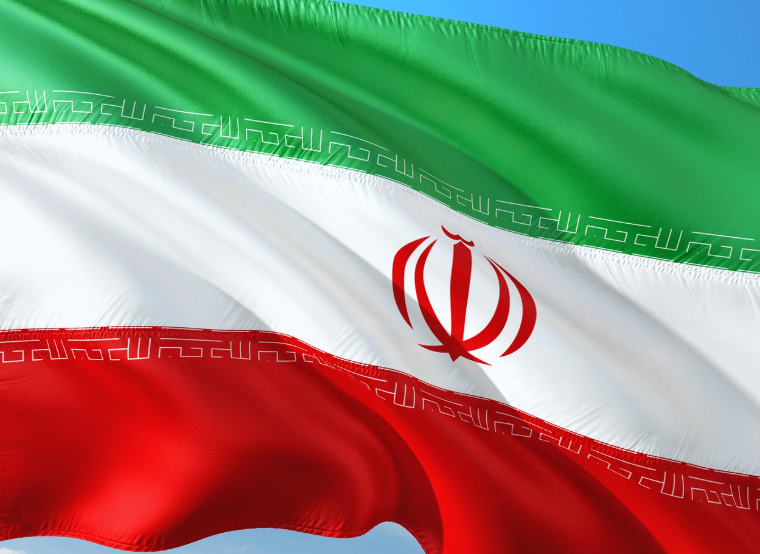
The United States has intensified its military and economic pressure on Iran, as new developments indicate a strategic effort to cut off Tehran’s primary source of revenue — oil exports — while maintaining security in the Strait of Hormuz.
This comes amid fresh statements from US President Donald Trump, who signaled strong action on Iran’s nuclear capabilities and outlined a broader regional strategy involving Lebanon and Israel.
Trump outlines firm stance on Iran nuclear issue
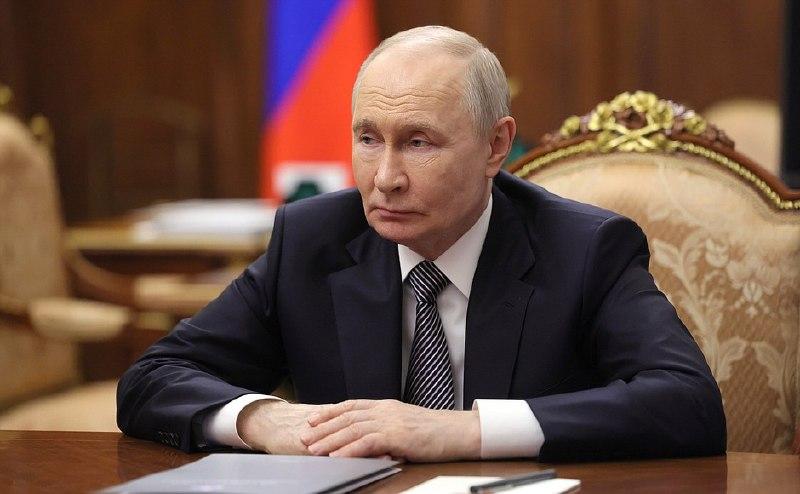
In a recent statement, President Trump declared that the United States would secure control over Iran’s nuclear output using advanced military capabilities, including B-2 bombers. He emphasized that no financial incentives or payments would be offered to Iran as part of any agreement.
The statement also clarified that any deal with Iran would be separate from the situation in Lebanon. The US plans to independently address the issue of Hezbollah, signaling a broader regional approach.
Additionally, Trump stated that Israel would no longer carry out bombing operations in Lebanon, as the US seeks to stabilize the situation and reduce escalation risks.
Oil blockade delivers economic shock to Iran
Military experts highlight that Iran’s economy is heavily dependent on oil revenues. The ongoing US naval blockade has significantly reduced Iran’s ability to export oil, effectively cutting off a major source of funding.
According to analysts, this move directly impacts Iran’s capacity to finance its military programs, including rocket development and support for regional proxy groups.
The blockade represents a form of hard military pressure that translates into economic stress, limiting Iran’s operational capabilities without immediate large-scale conflict.
Security of Strait of Hormuz remains critical
Despite rising tensions, the Strait of Hormuz remains open for global shipping, ensuring that international oil flows are not disrupted.
The US has deployed approximately 15 naval vessels in the region to monitor and secure maritime activity. The geography of the Strait, which naturally funnels ships through a narrow passage, makes it easier for naval forces to monitor and control traffic using intelligence and surveillance systems.
Allied nations such as the United Kingdom and France have also indicated their willingness to contribute naval support once the situation stabilizes, highlighting the global importance of the waterway.
Risk of asymmetric threats and regional instability
While the blockade strategy appears effective, concerns remain about potential asymmetric responses from Iran.
Experts warn that Iran could attempt indirect actions through allied groups, particularly the Houthis in the Red Sea. Such moves could aim to disrupt shipping routes or apply pressure on US operations without direct confrontation.
The possibility of terror-style attacks also remains a concern, drawing comparisons to past incidents like the USS Cole attack. However, current surveillance and naval presence are expected to mitigate such risks.
Iran faces critical choice under pressure
Analysts suggest that Iran is now at a crossroads. With its oil exports restricted and economic pressure mounting, the country must decide whether to engage in negotiations or continue its confrontational approach.
The effectiveness of the blockade lies in targeting Iran’s economic lifeline. Without the ability to sell oil, the country faces increasing financial strain, which could force greater compliance in diplomatic talks.
Conclusion
The United States strategy combines military enforcement with economic pressure to reshape Iran’s behavior without triggering full-scale conflict. By keeping the Strait of Hormuz open while restricting Iran’s oil exports, Washington aims to balance global stability with strategic leverage.
As tensions evolve, the coming days will be critical in determining whether this pressure leads to negotiations or further escalation in the Middle East.
Disclaimer:
This article is based on publicly available information and media transcripts. The content is intended for informational and educational purposes only and should not be considered as financial, geopolitical, or investment advice. Readers are advised to conduct their own research before making any decisions.