

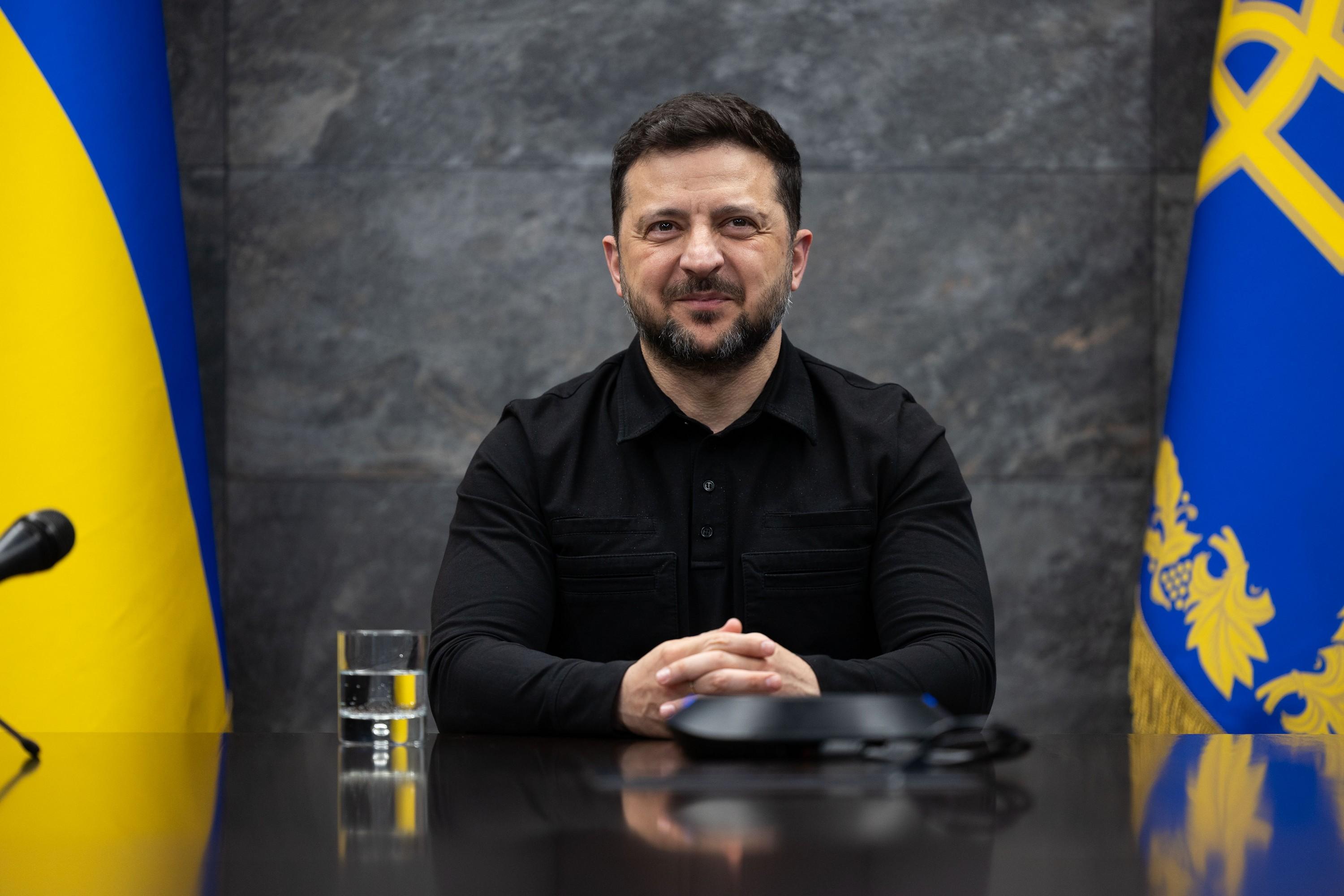
Ukrainian President Volodymyr Zelensky has called for urgent expansion in anti-ballistic missile production, stronger sanctions against Russia, and deeper defense cooperation with the United States, warning that current missile production levels are insufficient to address rising global security challenges.
Speaking on Ukraine’s defense needs and battlefield developments, Zelensky said the production capacity of anti-ballistic missiles in the United States remains too low compared to current threats. According to him, Russia continues to expand its domestic ballistic missile production capabilities, increasing risks not only for Ukraine but also for global security.
Zelensky revealed that he has sent letters to both the White House and the U.S. Congress requesting additional support and policy changes, including production licenses for Patriot missile systems. He emphasized that current production of approximately 60–65 anti-ballistic missiles per month is inadequate given the scale of ongoing threats.
He argued that Ukraine could significantly increase Patriot missile production if granted the necessary licenses. According to Zelensky, higher production levels would not only strengthen Ukraine’s defense capabilities but also benefit partners in the Middle East and other regions supported by the United States. He added that until Europe develops its own anti-ballistic defense systems, Ukraine will continue relying heavily on American support.
On the battlefield situation, Zelensky claimed Russia began losing operational momentum from December 2025 onward. He stated that in January 2026, he informed American partners that a diplomatic window might emerge as Russian losses continued to increase month after month.
According to Zelensky, Russian forces are currently unable to capture territory faster than Ukrainian troops are liberating areas. Based on this assessment, he said diplomatic negotiations should ideally begin before the arrival of next winter.
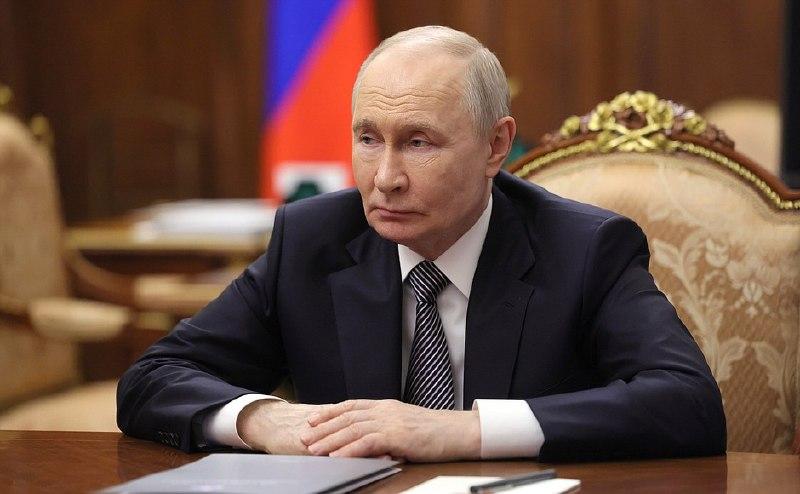
However, Zelensky stressed that successful negotiations depend on multiple factors, including growing internal pressure on Russian President Vladimir Putin from Russian society as well as sustained sanctions pressure from both Europe and the United States.
Addressing the issue of future peace negotiations, Zelensky discussed possible European representation formats. He suggested that the E3 group consisting of the United Kingdom, France, and Germany could potentially represent Europe in negotiations, although he acknowledged this may not necessarily be the final format.
He also highlighted the role of Nordic countries and Türkiye, praising Türkiye’s mediation efforts, particularly regarding prisoner exchanges and the return of prisoners of war.
Zelensky stressed that European participation in negotiations remains essential, but emphasized that Russia must also demonstrate readiness for genuine dialogue.
The Ukrainian president strongly opposed any moves toward easing sanctions on Russia, arguing that sanction relief would effectively strengthen Russia’s military-industrial complex.
He questioned arguments that easing sanctions would significantly lower global energy prices, stating that Russian oil accounts for only around 5% of global supply and therefore has limited impact on worldwide energy costs.
According to Zelensky, lifting sanctions risks sending the wrong message to Moscow, which he believes interprets diplomatic flexibility as weakness rather than goodwill. He argued instead for stronger and broader sanctions pressure.
On defense technology cooperation, Zelensky disclosed plans for a major drone cooperation agreement with the United States. He said discussions had included testing Ukrainian drone technologies across air, land, and maritime domains, but acknowledged that a formal bilateral drone framework agreement has yet to be finalized.
Ukraine has already signed drone agreements with several Middle Eastern and European countries, while preparations are underway for a broader drone partnership with the European Union.
Zelensky expressed hope that a similar agreement could soon be reached with Washington, emphasizing that Ukrainian battlefield experience combined with advanced American artificial intelligence technologies could create one of the most powerful defense technology partnerships globally.
Calling for faster action, Zelensky said practical negotiations and concrete steps are now needed rather than prolonged discussions. He concluded by stating that progress ultimately requires support from U.S. President Donald Trump and his administration.
As the war enters another critical phase, Zelensky’s latest remarks highlight Ukraine’s dual focus on strengthening military capabilities while exploring diplomatic pathways toward ending the conflict.