

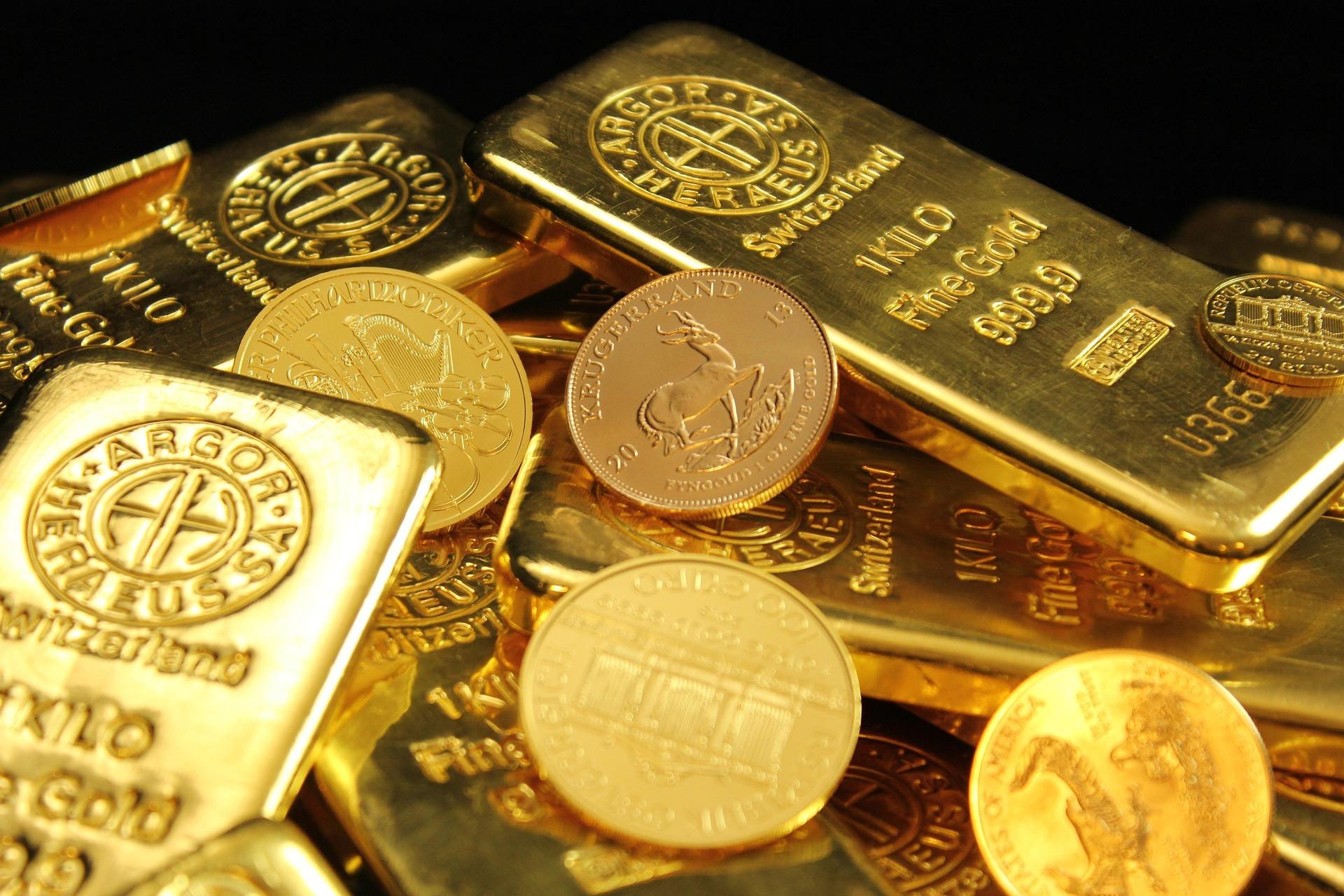
Investors and traders around the world are closely watching the gold market as prices continue to climb. With different asset classes such as stocks, bonds, real estate, and cryptocurrencies available, gold has emerged as one of the most popular choices currently. The key question many are asking is whether gold prices will continue to rise or if a crash is imminent.
Unlike speculative advice promising huge returns, a logical approach to understanding gold requires examining the underlying factors driving its demand. At the heart of gold’s value is the global financial system and the dominance of the U.S. dollar. Countries conduct international trade using widely accepted currencies, and the dollar remains the strongest and most widely used currency globally. While the Indian rupee cannot be used everywhere, the U.S. dollar is a staple for international trade.
Central banks around the world, including the Reserve Bank of India, the Federal Reserve in the U.S., and the People’s Bank of China, maintain reserves in currencies, primarily U.S. dollars, to facilitate global trade. Historically, the dollar has been a stable reserve currency, and its value is tracked globally using the Dollar Index, which measures the strength of the dollar against a basket of major currencies.
Since the entry of U.S. President Donald Trump, the Dollar Index has shown a significant decline. From a high of around 110, the index has dropped below 100, indicating a weakening dollar. A weakened dollar reduces the value of central bank reserves held in dollars, creating concern among countries that hold large dollar reserves.
This situation has contributed to a growing interest in alternative assets such as gold. Central banks across the world, including major players like China and the Federal Reserve itself, have increased their gold purchases. Gold is historically viewed as a safe haven asset and a reliable store of value, especially during periods of uncertainty. Unlike individual investors, central banks buying gold in large quantities significantly impacts its price.
Geopolitical events have also influenced gold prices. Russia’s involvement in the Ukraine war and subsequent freezing of its dollar reserves by the United States highlighted the vulnerability of holding large dollar reserves. This event increased global central banks’ demand for gold to safeguard against similar risks.
The current gold price surge can be directly linked to uncertainty created by global events and policy decisions, particularly actions taken by President Trump. Trade tensions, tariffs, and unpredictable policy shifts have caused the U.S. dollar to weaken further, which in turn boosts gold demand. The “if-then” scenario plays a major role here: if Trump continues aggressive trade and tariff policies, the dollar may weaken further, pushing gold prices higher. Conversely, if the situation stabilizes or dollar confidence is restored, gold prices could see corrections.
Investors should understand that gold’s future movement is highly influenced by the global geopolitical and economic landscape, particularly U.S. policies. The current surge is driven not just by individual purchases but by central banks acting strategically in response to dollar volatility. Any recovery in the dollar could lead to central banks reducing gold holdings, impacting the market.
In conclusion, the gold market is currently under the influence of global uncertainties, geopolitical tensions, and central bank strategies. While individual investors may seek short-term gains, the broader picture shows that gold remains a safe haven during periods of currency weakness and political unpredictability. The next significant movements in gold prices will largely depend on global dollar trends and policy actions from major economic powers.
Investors should stay informed and focus on understanding these macroeconomic factors rather than relying on speculative predictions. The trajectory of gold is closely tied to decisions made at the highest levels of government, especially in the United States, making it essential to monitor global developments carefully.