Niranjan Ghatule is an independent news editor and digital media creator covering global affairs, geopolitics, defence, diplomacy, financial markets, and breaking news. With a strong interest in international developments, he focuses on delivering timely, concise, and accessible news while providing context on events shaping politics, economies, and global relations.
Posts by Niranjan Ghatule:

Russia has launched precision missile and drone strikes across Ukraine after a deadly Ukrainian drone assault on Crimea killed civilians. Moscow claims up to 250 Ukrainian losses and destruction of U.S.-supplied vehicles.

The US, Japan, and South Korea held a trilateral meeting in New York to reinforce defense cooperation, counter North Korea’s nuclear and cyber threats, oppose unlawful maritime claims, support Taiwan, and boost economic security through supply chain resilience, energy, and technology collaboration.

A Muslim woman in Switzerland was initially fined 100 francs ($126) for wearing a burqa banned by referendum. After contesting the charge as ‘Islamophobia,’ her fine has skyrocketed to 1,000 francs ($1,260), sparking debates over religious freedom, public safety, and cultural integration.

Ola Electric launches ‘Ola Celebrates India’ campaign with Muhurat Mahotsav, offering scooters and motorcycles at never-before prices starting ₹49,999 for 9 days. Limited units daily on first-come, first-served basis.

The Indian auto sector is booming in 2025 with M&M, Eicher Motors, and Bajaj Auto hitting all-time highs, while Tata Motors struggles near its 52-week lows amid EV sales slump and JLR headwinds. Read the full investor deep dive, analyst verdicts, and outlook.

India’s auto sector witnessed a historic surge on Navratri Day 1, with GST 2.0 tax cuts driving record sales. Maruti Suzuki, Hyundai, and Tata Motors delivered over 50,000 vehicles as festive demand soared with discounts up to ₹2.5 lakh.

As of September 23, 2025, 156 UN member states recognize Palestine as a sovereign state, marking a historic surge since the Gaza war. From Europe’s divided stance to G7 breakthroughs by the UK, Canada, France, and Australia, explore how global diplomacy is shifting toward the two-state solution.
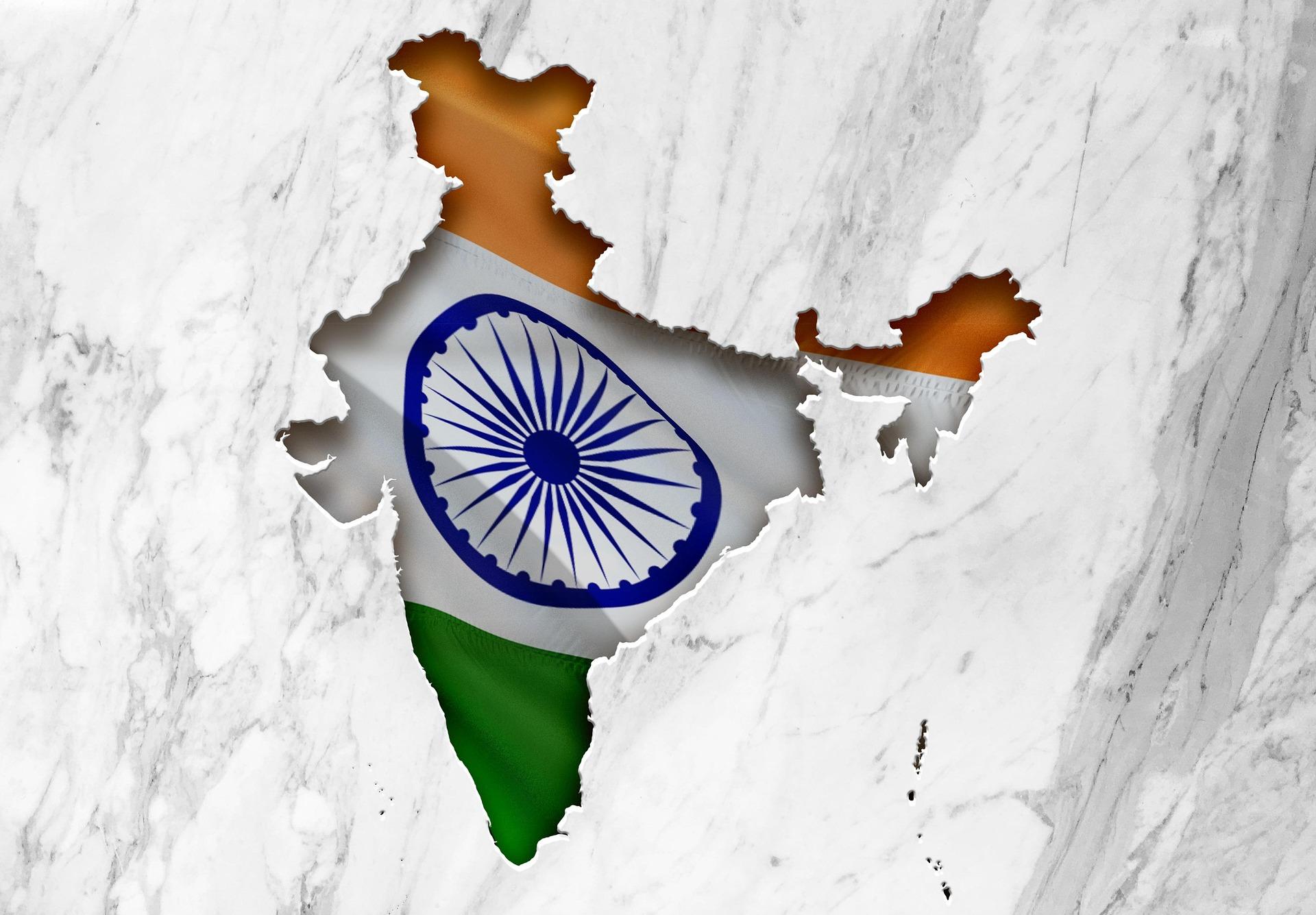
India’s state budgets for FY 2024-25 show stark fiscal contrasts. Uttar Pradesh, Odisha, and Jharkhand post strong revenue surpluses, while Andhra Pradesh, Tamil Nadu, and Punjab face rising deficits due to subsidies and committed spending. Full analysis of figures, trends, and drivers.
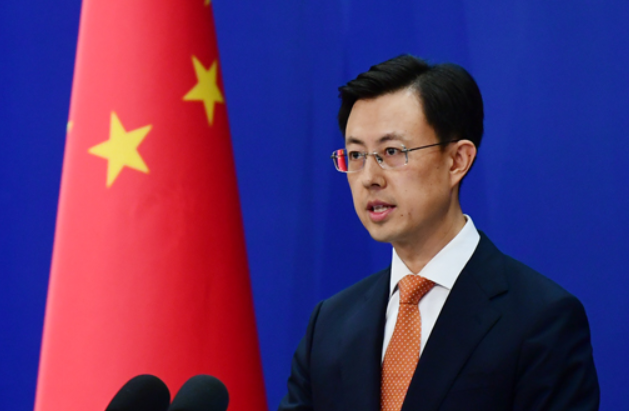
China’s Foreign Ministry addressed key global issues, including the Gaza conflict, TikTok deal progress, North Korea’s nuclear stance, women’s development, Taiwan’s Vienna visit, and US-China relations.

Gold prices soared to an all-time high of $3,678 per ounce in September 2025, fueled by geopolitical tensions, central bank buying, Fed rate cut expectations, persistent inflation, ETF inflows, and US policy risks. Experts now predict targets of $3,900–$5,000.

Adani Green Energy shares surged 13% in two sessions after SEBI cleared Adani Group in the Hindenburg probe. Strong Q1 results and sector tailwinds fuel optimism, but high debt, US DoJ probe, and stretched valuations raise caution. Is it a value buy or a risky bet?
After the US Fed’s 50 bps rate cut, PBOC Governor Pan Gongsheng said China’s monetary policy will focus on domestic needs while balancing global factors, signaling flexible support and ample liquidity for growth.