

Senator Jerry Moran Reacts to Trump’s China Visit, Taiwan Concerns, and Major Trade Discussions
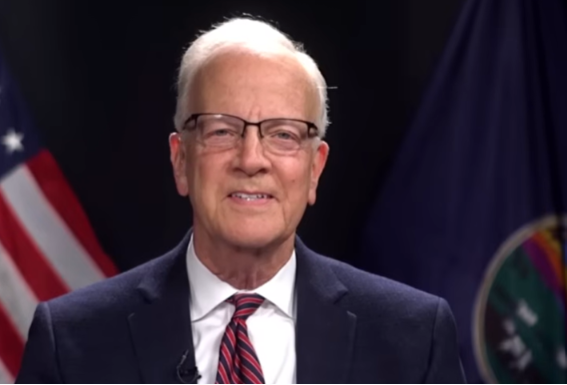
Kansas Republican Senator Jerry Moran shared his views on multiple major geopolitical and political developments during a recent television interview, including President Donald Trump’s visit to China, trade negotiations with President Xi Jinping, tensions surrounding Taiwan, and domestic political debates in the United States.
The interview began with discussion surrounding a reported joint operation involving the United States and Nigeria that allegedly eliminated ISIS leadership figures. Senator Moran praised the operation and thanked the American military for its efforts against ISIS.
He described ISIS as a major global threat that has impacted many countries and religious communities. Moran said that every successful operation against the terror group contributes toward creating a safer and more peaceful world.
The discussion then shifted toward President Trump’s recent state visit to China. During the interview, Trump’s remarks were replayed in which he highlighted strong trade activity with China and major commitments involving American agricultural exports and aircraft manufacturing.
President Trump claimed China committed to purchasing large quantities of soybeans from American farmers. He also stated that China had agreed to buy 200 Boeing aircraft, including 777 and 737 models, with the possibility of expanding the order to as many as 750 aircraft if the partnership develops successfully. The deal would reportedly involve General Electric engines as part of the arrangement.
Senator Moran described the trip as extremely important and expressed support for Trump’s decision to travel to China. He also welcomed the news that Xi Jinping is expected to visit the United States in September, just weeks before the current trade agreement pause is set to expire in October.
According to Moran, China remains one of the world’s most significant economic and military powers, making high-level diplomatic engagement essential for the United States. He stressed that future negotiations must continue to prioritize American economic interests.
The senator specifically highlighted the reopening of licensing agreements allowing U.S. beef exports back into China. Moran said this development is positive news for Kansas and agricultural regions across the country.
He also emphasized the importance of soybean exports and grain sorghum sales to China. Moran revealed that he personally contacted Ambassador Greer during the China trip to remind negotiators not to overlook grain sorghum, which is heavily produced in Kansas, Oklahoma, and Texas and has historically been imported in large volumes by China.
Moran further discussed the potential Boeing agreement, saying the aircraft purchases could generate significant economic benefits and employment opportunities across the United States. He noted that Boeing employs around 14,000 workers in Kansas alone, making the proposed deal particularly important for the state’s economy.
However, the senator also cautioned that the United States must ensure China follows through on any commitments made during negotiations. He said Washington is still waiting for additional details about the agreements discussed during the visit.
The interview also touched on concerns raised by Democratic Senator Chris Coons, who criticized Trump’s relationship with Xi Jinping and expressed worries over China’s support for Iran and threats toward Taiwan.
Responding to those concerns, Moran revealed that he had recently visited China with four Senate colleagues. During that trip, Chinese officials reportedly made it clear that Taiwan remains the central issue in U.S.-China relations.
Moran explained that a successful relationship between Washington and Beijing would require reducing hostility and increasing cooperation while still recognizing China as a major strategic competitor.
He stressed that any concessions made by the United States must serve American interests and provide meaningful benefits in return. According to Moran, Taiwan will likely remain one of the most difficult and sensitive issues in future negotiations between the two countries.
The senator added that discussions surrounding Taiwan probably occurred during the Trump-Xi meeting, though details may remain undisclosed publicly. He indicated that he hopes to receive further classified briefings after returning to Washington.
Toward the end of the interview, the conversation shifted toward domestic American politics and comments from former Vice President Kamala Harris regarding Supreme Court reform and the Electoral College.
Harris reportedly called for discussions surrounding Supreme Court expansion and changes to the Electoral College system. Moran strongly opposed those proposals, arguing that the U.S. Constitution should remain protected and respected.
He stated that Americans should avoid interfering with constitutional structures and instead focus on preserving the freedoms and liberties that form the foundation of the country. Moran also argued that Harris’s proposals would not help unify the nation or resolve political divisions.
The interview highlighted the growing complexity of U.S.-China relations as trade negotiations, military tensions, Taiwan, and geopolitical rivalries continue shaping global diplomacy. At the same time, domestic political debates in the United States remain deeply divided ahead of future elections and policy battles.
Disclaimer: This article is based on statements made during a televised interview and publicly available remarks. The content is intended for informational and news reporting purposes only.