

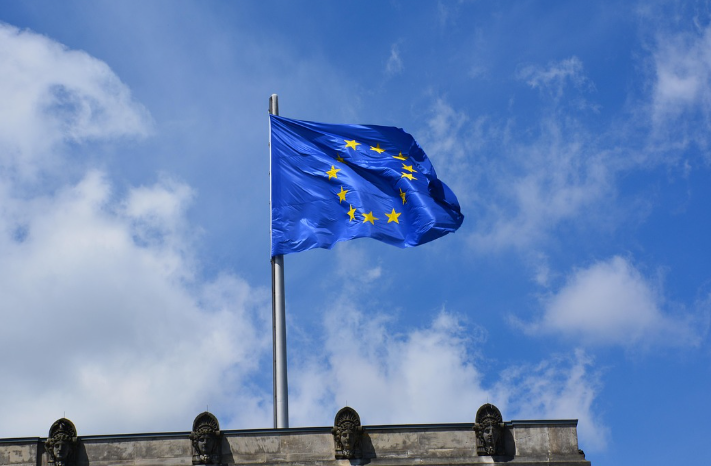
The European Union has announced its proposed 21st package of sanctions against Russia, marking one of the bloc's most extensive efforts yet to weaken Moscow's ability to finance and sustain its war in Ukraine.
European Commission President Ursula von der Leyen stated that the EU is continuing to intensify pressure on Russia's economy, declaring that "brick by brick, we are collapsing the foundations of Russia's war economy."
The proposed sanctions package introduces sweeping restrictions across Russia's financial sector, energy industry, military supply chains, transportation networks, and crypto-asset ecosystem. According to EU officials, the measures are designed to reduce Russia's revenues, limit sanctions circumvention, and further isolate Moscow from international markets.
Largest Round of New Listings in More Than Two Years
As part of the new sanctions package, EU authorities are proposing more than 170 new listings targeting individuals and entities accused of supporting Russia's war efforts.
The measures come in addition to 81 listings that are expected to be formally adopted by the EU Foreign Affairs Council next week. Those listings target Russia's shadow fleet, military-industrial complex, human rights violators, and individuals involved in spreading pro-Kremlin propaganda.
European officials said the objective is to increase pressure on all sectors contributing to Russia's military operations while reducing the country's ability to access international financial systems and critical technologies.
Major Blow Planned for Russia's Financial Sector
The EU intends to impose asset freezes on nearly 90 banks as part of the latest sanctions package. In addition, transaction bans are being proposed against more than 30 banks located in Russia and several third countries that are allegedly facilitating sanctions evasion.
European officials argue that cutting Russia's access to financial services remains a crucial step in reducing Moscow's ability to fund military operations.
The package also targets the cryptocurrency sector. The EU plans to tighten restrictions on crypto-asset service providers operating in certain third countries and introduce additional designations related to crypto activities. Transactions involving 11 crypto platforms are also set to be banned under the proposed measures.
Targeting Russia's Energy Revenues
Energy exports continue to represent one of Russia's most important sources of income, and the EU is seeking to further reduce these revenues.
Under the proposed sanctions package, the European Union plans to introduce a temporary freeze of the Russian oil price cap. The bloc is also proposing new restrictions on the resale of liquefied natural gas (LNG) tankers to Russia.
Officials argue that reducing energy revenues is essential to limiting Russia's ability to finance military operations in Ukraine.
Expanded Measures Against Russia's Shadow Fleet
The EU is also expanding its campaign against Russia's so-called "shadow fleet," a network of vessels used to transport Russian oil and other commodities while circumventing Western sanctions.
The latest proposals include sanctions on 30 additional vessels, new listings targeting individuals and entities supporting shadow fleet operations, and expanded criteria for designating vessels.
European authorities warned that any ship involved in supplying or refueling already blacklisted vessels could itself become subject to sanctions.
In addition, transaction bans are being proposed against two Russian ports and four airports believed to be involved in facilitating sanctions circumvention.
Military-Industrial Complex and Drone Production in Focus
A significant portion of the sanctions package is aimed at disrupting Russia's military-industrial complex.
The proposed measures include more than 30 new designations connected to drone manufacturing and military production networks. The EU also plans to introduce export control restrictions on approximately 50 companies accused of supplying technologies and materials that support Russia's defense sector.
The companies targeted by these measures are reportedly based not only in Russia but also in several third countries, including China, Türkiye, Kyrgyzstan, Kazakhstan, the United Arab Emirates, and India.
The EU is also proposing additional restrictions on exports of strategic materials and technologies such as nickel powders, specialized metals, and high-performance alloys. Officials believe these materials play an important role in Russian weapons manufacturing and industrial production.
New Import Restrictions
Beyond export controls, the sanctions package introduces new import restrictions aimed at limiting Russia's access to key industrial goods.
The EU plans to restrict imports of additional products, including certain automobile components, several precious-metal ores, and a range of chemicals considered important for industrial applications.
Officials say these restrictions are intended to further weaken Russia's production capabilities and reduce access to materials that could support military manufacturing.
Visa Ban for Russian Combatants
The European Union is also proposing a comprehensive visa ban targeting current and former members of the Russian armed forces as well as fighters associated with Russian proxy groups.
EU officials stated that Europe should not provide open access to individuals who have participated in Russia's military operations against Ukraine.
The proposed restrictions would significantly limit travel opportunities for affected individuals across EU member states.
EU Signals Continued Pressure on Moscow
The 21st sanctions package highlights the European Union's determination to maintain economic and diplomatic pressure on Russia more than four years after the full-scale invasion of Ukraine.
European leaders argue that sanctions remain a critical tool for reducing Russia's financial resources, disrupting military supply chains, and increasing the economic costs associated with the war.
If approved by EU member states, the new measures would represent one of the most comprehensive sanctions expansions since the beginning of the conflict, targeting a broad range of sectors from banking and energy to transportation, technology, and military production.
The proposed package now moves through the EU approval process, where member states will review and negotiate the final details before implementation.