

US inflation fell to 2.4 percent in January, down from 2.7 percent in December, marking the lowest level since 2021. President Donald Trump said the latest figures show that the economy is stabilizing after what he described as a “total mess” inherited before his return to office.
The new inflation rate represents a continued downward trend and comes amid claims from the White House that product costs are declining, wages are rising, and stock markets are hitting all-time highs.
President Trump stated that the United States is currently seeing approximately $18 trillion in investment commitments from domestic and foreign companies. He described the figure as unprecedented, noting that the highest previous investment level for any country was around $3 trillion.
The administration also pointed to wage growth, saying wages are now outpacing inflation. This follows warnings from several Democratic leaders who had argued that Trump’s tariff policies would trigger higher inflation.
Data from the Federal Reserve Bank of New York has indicated that around 90 percent of tariff-related costs were borne by businesses and consumers. Despite this, inflation has continued to trend downward.
In 2024, CNN reported that 16 Nobel Prize-winning economists warned that Trump’s economic policies could worsen inflation. However, supporters of the president now argue that those predictions have not materialized.
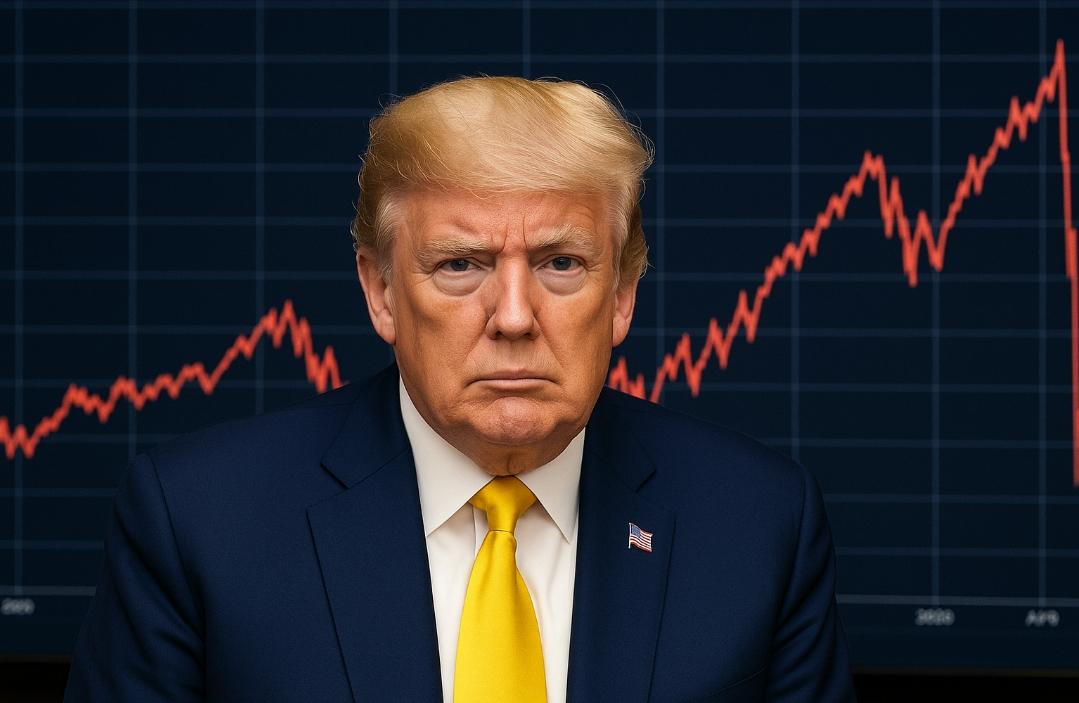
Republican Congresswoman Claudia Tenney, a member of the House Ways and Means Committee, praised the latest inflation data. She said the inflation chart shows a sharp spike during the administration of Joe Biden, followed by a steady decline since Trump returned to the White House.
Tenney credited the improvement to what she described as an “all-of-the-above” energy strategy focused on making America energy dominant. She argued that expanding domestic oil and gas production has helped reduce costs across the supply chain.
According to Tenney, inflation pressures remain higher in certain states that have restrictive energy policies, including New York, California, and Illinois. She said such policies increase transportation and production costs, keeping prices elevated compared to other regions.
She specifically pointed to New York’s limits on fossil fuel usage in its energy grid, which she argued has driven up electrification costs and contributed to higher living expenses.
On trade policy, Tenney addressed ongoing tariff discussions with Canada. She said President Trump is negotiating a revised agreement with Canadian leadership, including Prime Minister Mark Carney. Tenney, whose district stretches from the St. Lawrence Seaway to the Niagara River along Lake Ontario, emphasized the importance of strong cross-border trade relations.
Energy prices have also declined in recent weeks. Gasoline prices are reportedly down 7.5 percent, while Brent crude is trading near $66 per barrel and US West Texas Intermediate is approaching the $60 mark.
Despite rising tensions in the Middle East, oil markets have remained relatively stable. The Pentagon recently deployed the USS Gerald R. Ford carrier strike group to join the USS Abraham Lincoln carrier group in the region amid concerns over Iran’s nuclear program.
When asked about Iran, Tenney described the situation as serious and said President Trump has drawn a clear red line regarding Iran’s nuclear ambitions. She emphasized that firm messaging and enforcement are necessary to maintain stability.
Iran has previously threatened to close the Strait of Hormuz, a critical global oil shipping route. Analysts note that such a move could push oil prices higher, though it would also negatively impact Iran’s ally China.
Supporters of the administration argue that falling inflation, rising wages, record stock market levels, and declining energy prices signal that Trump’s economic and energy policies are delivering results. As trade negotiations and geopolitical developments continue, inflation and energy strategy are expected to remain central issues in the months ahead.
Disclaimer
This article is based on publicly available reports, media transcripts, and political statements. The views and opinions expressed by political leaders and commentators quoted in this report are their own and do not necessarily reflect the views of this website. This content is published for informational and educational purposes only and should not be considered as financial, political, or legal advice.