Niranjan Ghatule is an independent news editor and digital media creator covering global affairs, geopolitics, defence, diplomacy, financial markets, and breaking news. With a strong interest in international developments, he focuses on delivering timely, concise, and accessible news while providing context on events shaping politics, economies, and global relations.
Posts by Niranjan Ghatule:
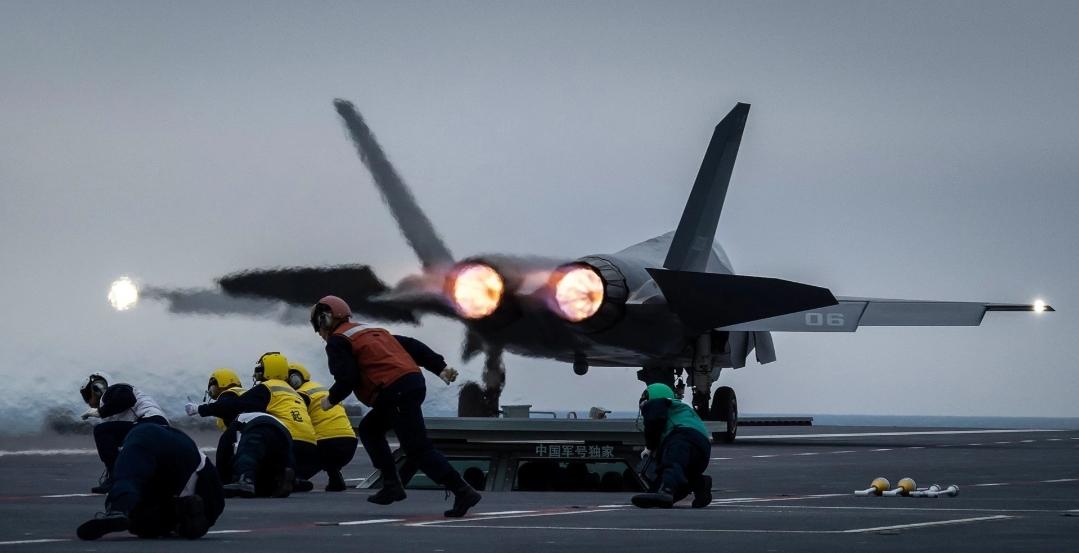
China commissions its most advanced aircraft carrier, the Fujian, signaling its intent to rival the U.S. Navy and assert dominance in the Indo-Pacific. The move heightens tensions with Taiwan and Washington amid growing regional militarization.
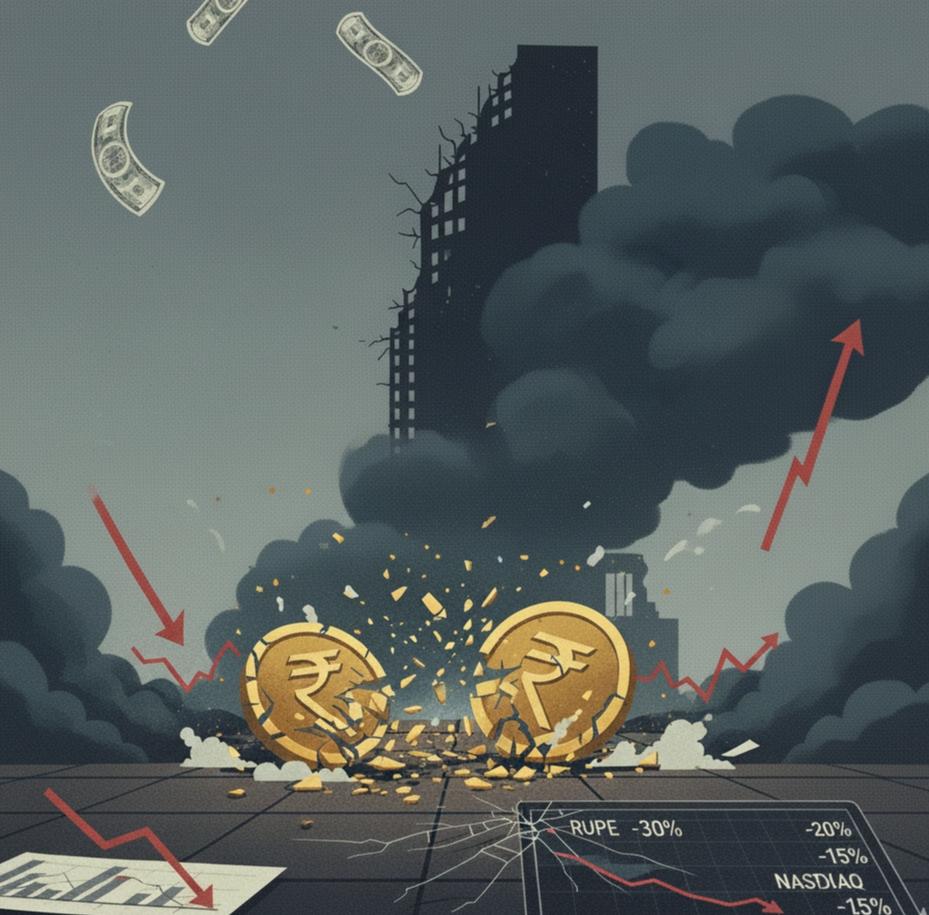
Indian Rupee has lost 46% of its value against the U.S. Dollar since 2009, reflecting long-term macroeconomic challenges, persistent inflation, and global dollar strength.
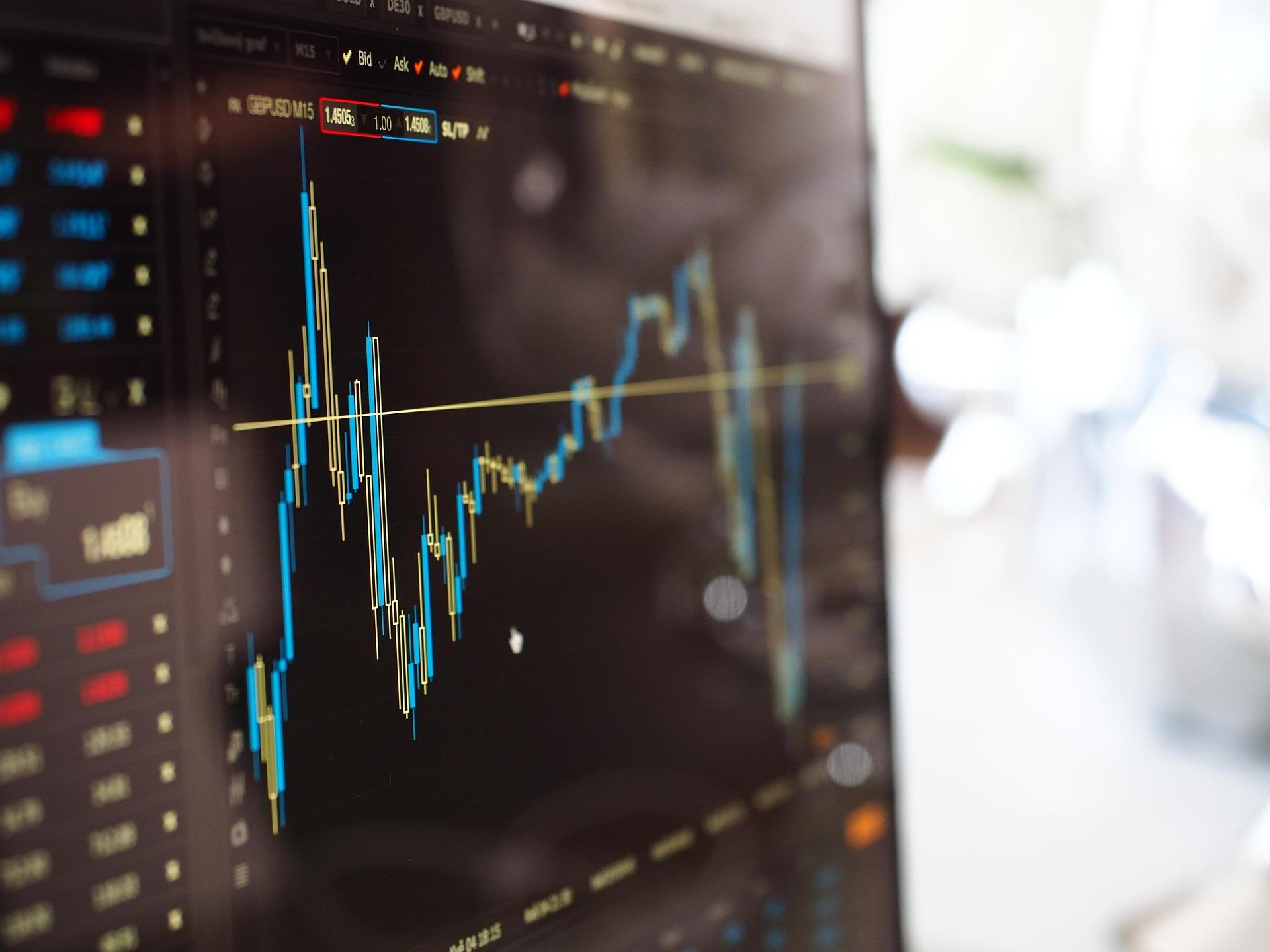
Motilal Oswal Midcap Fund’s October 2025 portfolio reveals a cautious investment stance, with cash holdings rising sharply from 2.61% in August to 12.77% in October. The fund, managing ₹37,501 crore AUM, added to select midcap stocks like Aditya Birla Capital, Kaynes Technology, Bharti Hexacom
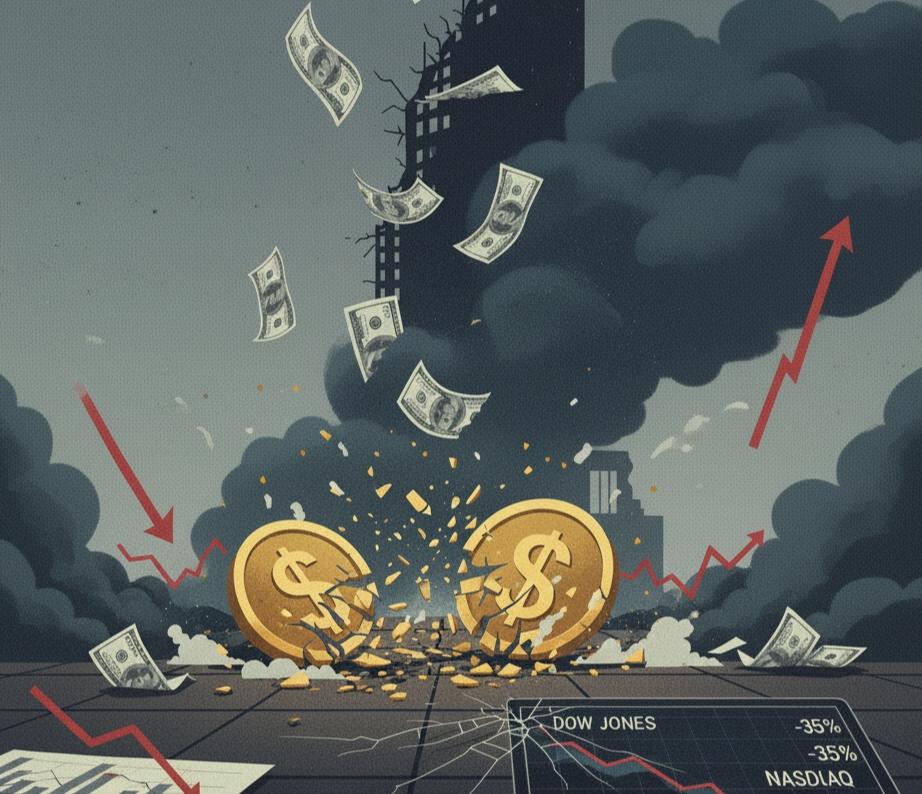
Since the creation of the Federal Reserve in 1913, the U.S. dollar has experienced a dramatic loss of purchasing power, falling by over 96% in real terms. Once backed by gold and trusted worldwide, the dollar’s value has steadily eroded through major economic events
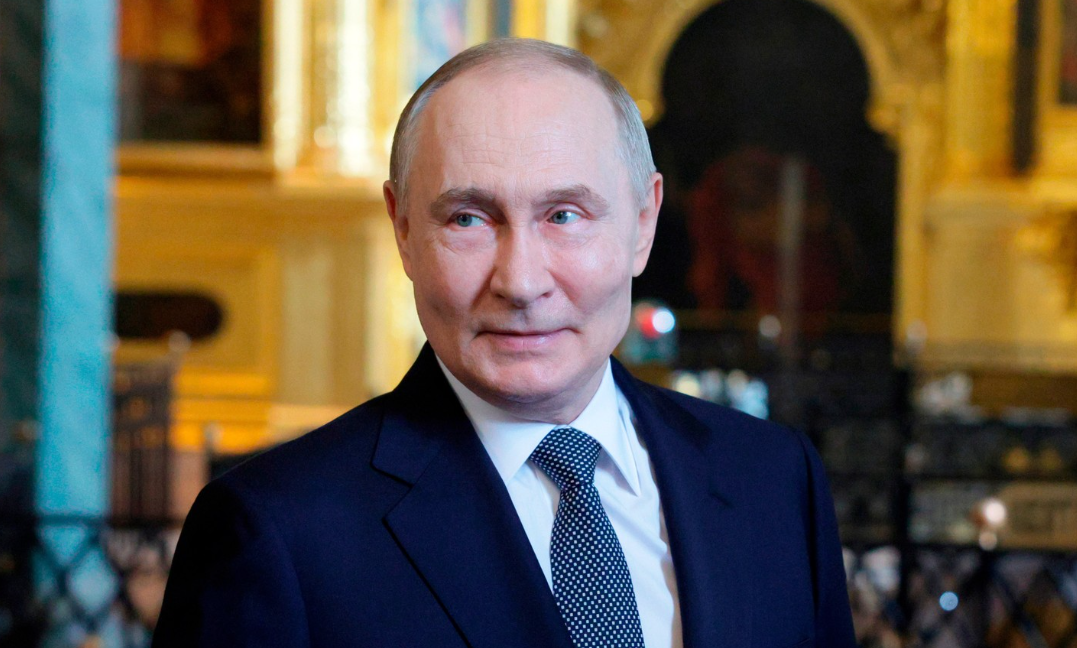
Ambassador Matthew Whitaker calls on Europe to strengthen support for Ukraine and ramp up defense production. He praises Trump’s role as a peacemaker as Kazakhstan joins the Abraham Accords.

As India prepares for Budget 2026, investors are eyeing potential tax reforms, especially around Long-Term Capital Gains (LTCG) and Securities Transaction Tax (STT). With rising FII outflows and growing calls for rationalization, will the government finally ease the burden on investors? Here’s a detailed analysis of what to expect.
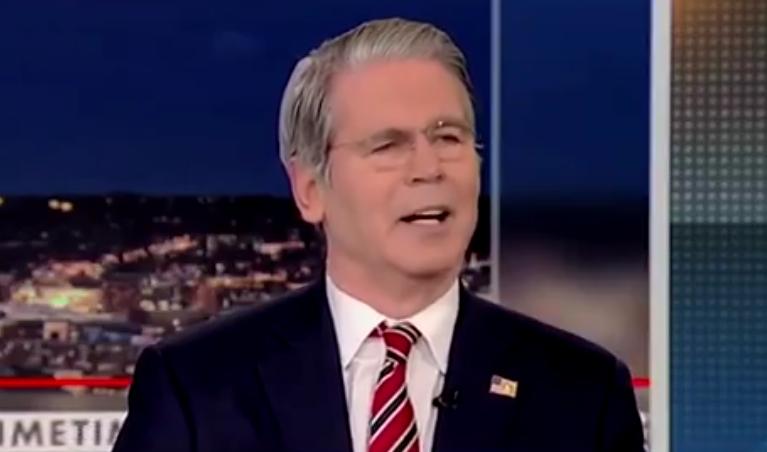
U.S. Trade Secretary Scott Bessent expressed confidence after the Supreme Court hearing on presidential tariff powers, defending the administration’s economic strategy, anti-fentanyl actions, and tax relief initiatives.
China responds after France suspends Shein for selling childlike sex dolls, urging global fairness in business while emphasizing corporate responsibility.

Tesla shareholders have approved a historic $1 trillion pay package for Elon Musk, paving the way for him to become the world’s first trillionaire. The deal ties Musk’s reward to ambitious goals, including 1 million robo-taxis and leadership in robotics and AI.
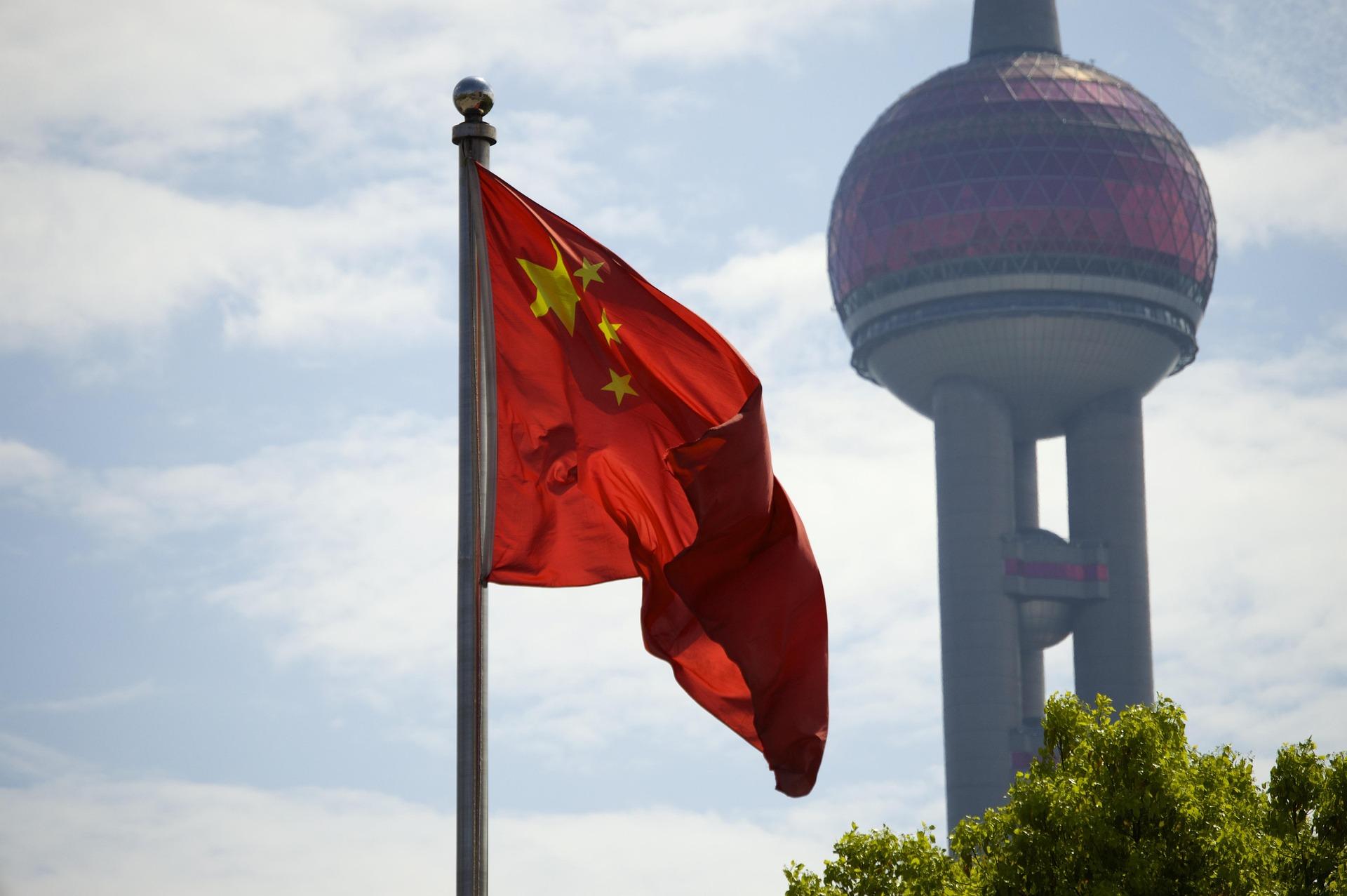
China has dismissed calls to join trilateral nuclear arms control talks with the U.S. and Russia, calling the proposal unfair and unrealistic. Beijing urges Washington to take responsibility by making substantial nuclear cuts.
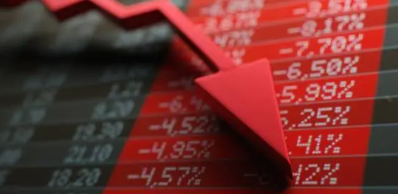
Several Indian companies, including InterGlobe Aviation, Clean Science and Technology, and India Cements, witnessed promoter stake reductions in Q2 FY2025. The trend highlights strategic divestments, institutional absorption, and shifting market dynamics across sectors.

U.S. Trade Representative Jamieson Greer cautioned that a potential Supreme Court decision limiting President Trump’s authority under the IEEPA could force the government to refund up to $200 billion in tariffs to corporations, sparking a massive economic shock.